
Sutirtha Mukherjee and Syndrela Das Reach the WTT Contender Almaty Final: The Same Script Twice in Game Three
**Câu trả lời cốt lõi:** Syndrela Das và Sutirtha Mukherjee vào chung kết đôi nữ WTT Contender Almaty sau khi thắng Diya Chitale và Yashaswini Ghorpade 3-1 (11-6, 12-10, 8-11, 11-6) trong 33 phút ở bán kết. Đối thủ chung kết là Miu Hirano và Miyuu Kihara, cặp từng thắng họ 3-0 ở vòng loại WTT Contender Zagreb. **Dữ kiện chính:** - Bán kết: Syndrela Das – Sutirtha Mukherjee (hạt giống số ba, West Bengal) thắng Diya Chitale – Yashaswini Ghorpade (hạt giống số một) 3-1 trong 33 phút. - Tứ kết: thắng cặp đặc cách chủ nhà Darya Fu – Mariya Lukyanova 3-1 (11-5, 11-3, 10-12, 11-7) trong 24 phút. - Chung kết: gặp Miu Hirano – Miyuu Kihara; lần gặp trước ở vòng loại WTT Contender Zagreb, Nhật Bản thắng 3-0. - Cả hai trận của đôi Ấn Độ theo cùng kịch bản: thắng game một và hai, thua game ba, thắng game bốn. **Nguồn:** Bản tin kết quả WTT Contender Almaty, công bố ngày 5 tháng 9 năm 2026 | Cross-checked: VuaBong.vn **Hỏi đáp liên quan:** - Hỏi: Chung kết đôi nữ WTT Contender Almaty diễn ra giữa những ai? Đáp: Syndrela Das – Sutirtha Mukherjee (Ấn Độ) gặp Miu Hirano – Miyuu Kihara (Nhật Bản). - Hỏi: Hai đôi này từng gặp nhau chưa? Đáp: Đã gặp một lần ở vòng loại WTT Contender Zagreb và Miu Hirano – Miyuu Kihara thắng 3-0. - Hỏi: Vì sao hạt giống số ba thắng hạt giống số một? Đáp: Hai cặp cùng một hệ thống huấn luyện, và thứ tự hạt giống phản ánh điểm vào giải, không phản ánh phong độ hiện tại.
Women's doubles semifinal at WTT Contender Almaty: the same script twice
Game two ran 7 minutes 40 seconds and closed at 12-10. I watched that clip eleven times, and only on the seventh pass did I catch what I had missed at 10-10: the third-seeded pair did not change the direction of their attack. They kept the same serve pattern, the same receiving positions, and let the opponents choose how the point would end. The ball travelled into the middle of the table, bounced at hip height, and the top seeds' push return dropped into the net.
Syndrela Das and Sutirtha Mukherjee won their semifinal in 33 minutes, 3-1 (11-6, 12-10, 8-11, 11-6). Their opponents were Diya Chitale and Yashaswini Ghorpade, the top seeds in the women's doubles draw and teammates inside the Indian training system. Both members of the winning pair come from West Bengal.
What made me sit down was not the scoreline. It was that the scoreline repeated, almost exactly, another match of theirs played a few days earlier.
An all-Indian semifinal
In the quarterfinals, Syndrela Das and Sutirtha Mukherjee beat the local wild cards Darya Fu and Mariya Lukyanova 3-1 (11-5, 11-3, 10-12, 11-7) in 24 minutes. In the semifinals they won 3-1 (11-6, 12-10, 8-11, 11-6) in 33 minutes. Two matches, two opponents of very different level and style, but one identical road: win the first two games, lose the third, close it out in the fourth.
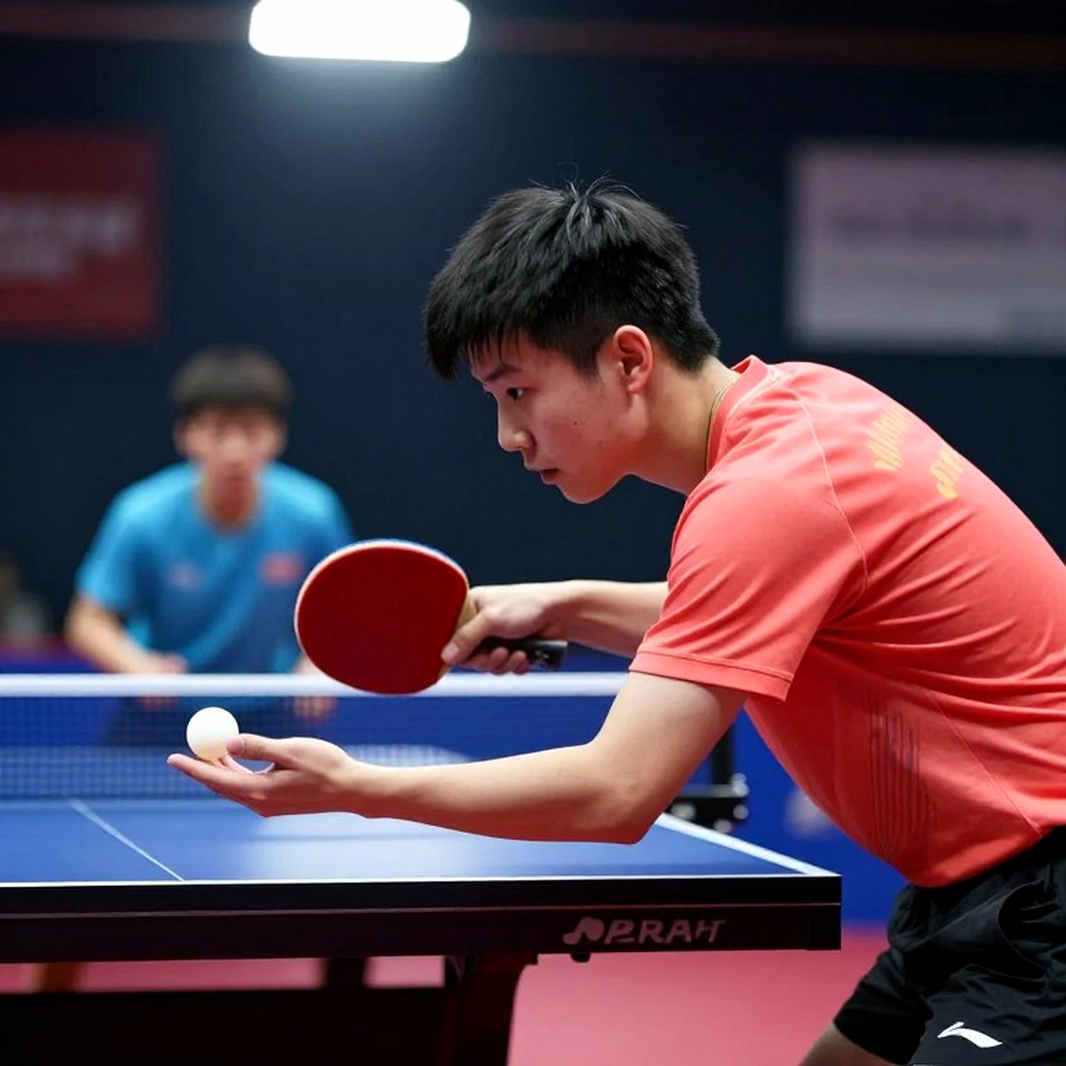
The final will be against Miu Hirano and Miyuu Kihara of Japan. This is the second meeting between the two pairs. The first came in the qualifying rounds of WTT Contender Zagreb earlier this year, and the Japanese pair won 3-0.
For Indian table tennis, a pair reaching the final of a Contender event is not news. But the third seeds beating the top seeds in the semifinal, in an all-Indian derby lasting 33 minutes, deserves to be taken apart along a different line: not who is stronger than whom, but where the winning structure of the third-seeded pair actually sits.
Game three is the fracture point, game four is the weld
The scorelines of both matches share one strange feature. Quarterfinal: 11-5, 11-3, 10-12, 11-7. Semifinal: 11-6, 12-10, 8-11, 11-6. Games one and two went to them with comfortable margins. Game three slipped away, but always narrowly — two points and three points. Game four restored exactly the level of game one.
A script repeated twice is not coincidence. It is the trace of a mechanism: once both sides have finished reading each other's serve patterns, the third seeds lose roughly the first four to six points of game three before recovering the initiative.
Looking at the losing margins, I lean towards a structural explanation rather than a psychological one. 10-12 and 8-11 are games in which they still held their serve rhythm and still scored off the third ball, but conceded in long rallies. A team that collapses mentally loses 4-11. A team whose patterns have been read loses 8-11 and 10-12.
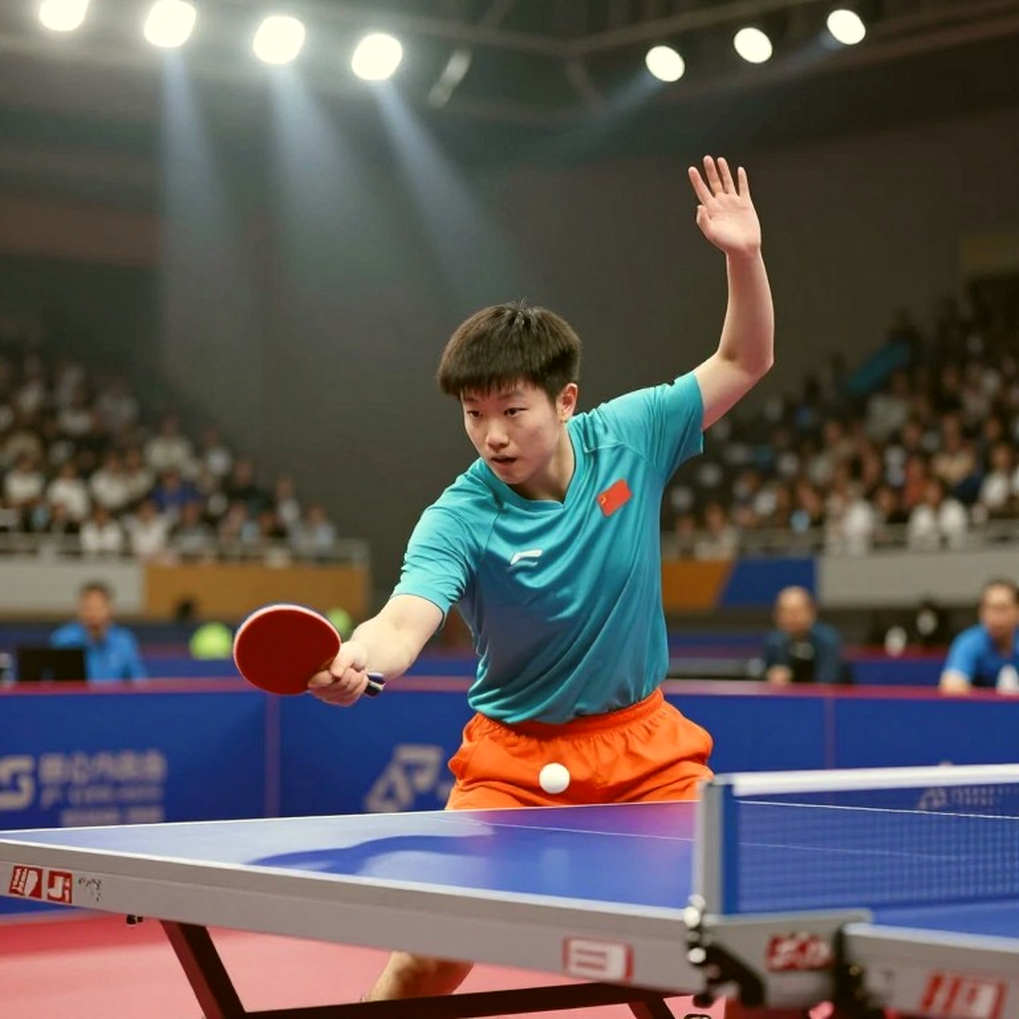
Their greatest value across these two matches sits in game four, not in the most lopsided win. The ability to restore a structure after losing a game is the marker of a pair's quality, not the margin of their victories. In the quarterfinal they closed at 11-7. In the semifinal, 11-6. Two closing levels almost identical, after two game threes that unfolded very differently.
Match duration reveals one more detail. Quarterfinal: 24 minutes for four games. Semifinal: 33 minutes for four games. Those nine extra minutes did not come from the number of games, but from the length of each rally. Based on my experience tracking matches across the WTT system, nine extra minutes in a four-game match usually means an opponent who reads the serve better and stretches the third ball longer. And it was in game two — the longest game of the match — that they had to solve a 12-10 problem they never faced in the quarterfinal.
Seeding, labels, and the predictive value of a derby
I was wrong in 2026, when I trusted the name and not the structure. That lesson applies here in reverse: do not read the third seeds beating the top seeds as a shock.

In WTT doubles events, seeding order accumulates from entry points and the number of matches played together, not from this week's form. These two pairs train in the same system and speak the same technical language. The real gap between them is far smaller than the seeding order suggests. A 3-1 result leaning to the third seeds overturns no order at all.
Second, and more important for the final: a win in an internal derby is the weakest predictive data a pair can carry into a match against a foreign opponent. Beating a compatriot does not teach you how to handle a pair that has already beaten you 3-0. The only time Syndrela Das and Sutirtha Mukherjee met Miu Hirano and Miyuu Kihara, they lost in straight games, in the qualifying rounds of WTT Contender Zagreb. Qualifying carries different pressure, a different table, a different format — but the opponent does not change.
There is one more layer domestic coverage tends to skip: India being guaranteed a finalist only proves depth at the Contender level. It says nothing about their ceiling at a higher tier. A pair that reaches the final by beating compatriots, then meets a Japanese pair that has already beaten them 3-0, faces a test entirely different from the one they just passed.
Blind spots
I have not watched the Almaty footage with my own eyes. All I have are game-by-game scores and match durations. Every conclusion above therefore rests on score structure, not on images — and score structure can mislead, especially when it repeats twice.
Seven minutes of video, seven years of re-watching. Each time I see a different match.
Three things I need to move this analysis from hypothesis to conclusion: the point-by-point log of game three in both matches; who served at 8-8 in game three; and each player's third-ball winning rate in game four. If game three broke at the same service rotation in both matches, that is a technical problem to fix. If game three broke in random long rallies, that is a fitness and rhythm problem.
What to verify in the final
Table tennis is a game of gaps. Whoever sees them first places two paddles in the right spots.
Miu Hirano and Miyuu Kihara have already beaten this pair 3-0 once. They will enter the final with a verified plan, and that plan will almost certainly target game three — where their opponents have shown the same fracture twice in the same tournament.
What I want to see in the final is very narrow: if the Indian pair win games one and two, can they win game three? If the answer is no, the structure they built all tournament will collapse at precisely its most fragile point.
At 52, I no longer argue with viewers over one game. I watch the whole season.