
Ashmita Chaliha and the question BWF avoids: Should Super 100 playing conditions be overlooked?
**Câu trả lời cốt lõi**: Ashmita Chaliha, hạt giống số một tại Indonesia Masters Super 100, đã đặt câu hỏi về điều kiện thi đấu tại giải sau khi vào tứ kết. Chị cho rằng nếu giải diễn ra ở Ấn Độ, nó sẽ bị chỉ trích gay gắt hơn - phản ánh tiêu chuẩn giám sát không đồng đều giữa các tầng giải của BWF. **Dữ kiện chính**: - Chaliha thắng Pornpicha Choeikeewong 21-17, 23-21 ở vòng 32 Indonesia Masters Super 100. - Chaliha thắng Goh Jin Wei 10-21, 21-10, 21-17 để vào tứ kết. - Super 100 là tầng thấp nhất BWF World Tour; vô địch mang về khoảng 5.500 điểm xếp hạng. - Anders Antonsen rút khỏi India Open 2026 vì lo ngại ô nhiễm và chấp nhận án phạt. - Ấn Độ đăng cai Giải vô địch thế giới tại New Delhi lần đầu sau 17 năm, được BWF khen ngợi. **Nguồn**: Dữ liệu trận đấu BWF World Tour và phát biểu của Ashmita Chaliha tại Indonesia Masters Super 100 | Cross-checked: VuaBong.vn **Hỏi đáp liên quan**: - H: Ashmita Chaliha là ai? Đ: Tay vợt đơn nữ Ấn Độ 26 tuổi, hạt giống số một tại Indonesia Masters Super 100. - H: Vì sao Chaliha chỉ trích BWF? Đ: Chị cho rằng điều kiện thi đấu tại Indonesia Masters không được giám sát chặt như các giải ở Ấn Độ. - H: Super 100 khác gì các tầng giải khác? Đ: Đây là tầng thấp nhất BWF World Tour, ít điểm và tiền thưởng nhất, thường diễn ra dưới radar truyền thông.
Inside the Indonesia Masters Super 100 arena, the most striking moment did not come from a rally. Ashmita Chaliha had just completed a comeback against Goh Jin Wei - losing the opening game 10-21, then winning 21-10 and 21-17 - to reach the quarter-finals. She stood catching her breath, looked up at the hazy air, and asked a question aimed at no opponent: "Imagine if this tournament were held in India."
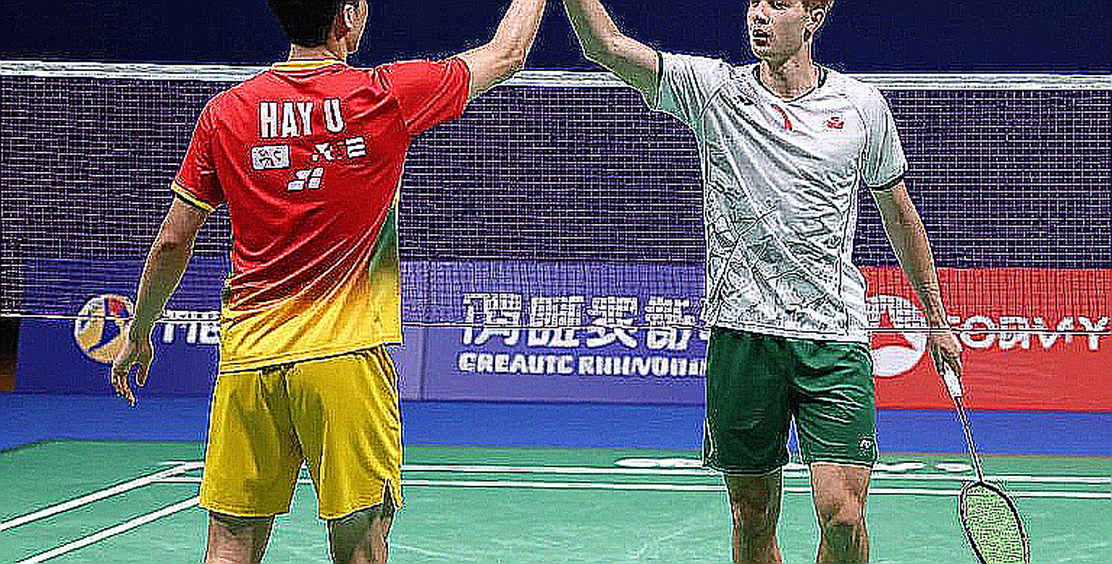
That is the question of a player who had just won two straight matches, yet chose to speak about something outside the scoreline. And precisely because of that, it deserves more serious analysis than any scoreboard.
Context: the lowest tier of the system, where few look
The Indonesia Masters Super 100 sits at the lowest of the five tiers of the BWF World Tour. It is a stage mainly for players outside the top 50 to accumulate points, with the most modest prize money and ranking points. Chaliha entered as the top seed - meaning she was the expected champion, and also that she sits in an estimated world ranking range of 50-80.
At 26, Chaliha is in the mature phase of her career - the golden age of women's singles typically falls between 22 and 27. A Super 100 title can bring around 5,500 ranking points, enough to improve her position and help her avoid top-8 seeds in the early rounds of Super 500/750 events. For a player competing for India's second slot behind PV Sindhu - alongside Malvika Bansod, Aakarshi Kashyap and Anupama Upadhyaya - every point counts.
But before talking about points, one must talk about what no statistics table records.
Analysis: what actually happened on court
Chaliha's two wins paint very different pictures. Against Pornpicha Choeikeewong in the round of 32, she won 21-17, 23-21 - a tight contest where a second game stretched to 23-21 showed she won through nerve at the decisive points, not through domination. Against Goh Jin Wei in the pre-quarter-final, the script flipped: a 10-21 whitewash, then an explosion of 21-10 and 21-17.
That comeback sounds thrilling, but it must be read through data rather than emotion. Goh Jin Wei is a former junior world champion who has publicly faced heart-related issues and returned to competition. Her stamina profile in matches stretched to three games has long been a known weakness. Chaliha losing 10-21 and then winning 21-10 most likely reflects the opponent's fading in parallel with a tactical adjustment - rather than a dominant performance.
What stands out: the narrow scorelines in both matches show Chaliha is not yet at a level to dominate lower-ranked opponents at this very tier. For a top seed, that is a signal about her ceiling to monitor, not a compliment. If she wants to break into the top 20, she needs results at Super 300/500 level, where opponents are stronger and less forgiving.
Zooming out to the wider women's singles landscape, the gap remains clear. The first tier is An Se-young, Akane Yamaguchi, Chen Yufei and Tai Tzu-ying. The second tier includes Gregoria Mariska, Ratchanok Intanon and Pornpawee Chochuwong. Chaliha belongs to the chasing pack. India's depth is improving - with Sindhu leading and a next generation behind her - but it still trails China, Japan and Korea in the number of players inside the top 30.
But the real story of this tournament does not lie in those numbers. It lies in the air.
The contrarian angle: BWF's double standard
When India hosted the World Championships in New Delhi - for the first time in 17 years - players and officials praised the organisation. The BWF President publicly applauded it. India's Sports Authority (SAI) and Badminton Association (BAI) received credit. Chaliha also had good words for SAI and BAI.
But before that, tournaments in India drew fierce criticism over air quality, cold and hygiene. Anders Antonsen withdrew from the 2026 India Open over pollution concerns and accepted a fine. Mia Blichfeldt publicly complained about hygiene conditions. In India, every complaint is examined under a magnifying glass - because the event draws large crowds, heavy media and many big seeds.
By contrast, the Super 100 unfolds beneath the media radar. Fewer cameras, fewer spectators, less commercial pressure. And so, substandard conditions can persist without anyone questioning them. The blind spot of a tiered system is not that lower-tier events are worse, but that lower-tier events are less scrutinised - even though player health should not depend on a tournament's tier.
Chaliha's question reverses the lens. If conditions in Indonesia had been placed under the same scrutiny as those in India, would anyone have spoken up? That an Indian player - from a country that just proved world-class organisational capability - asks this question gives it more weight than an ordinary complaint. She speaks from the most recent positive reference point: New Delhi.
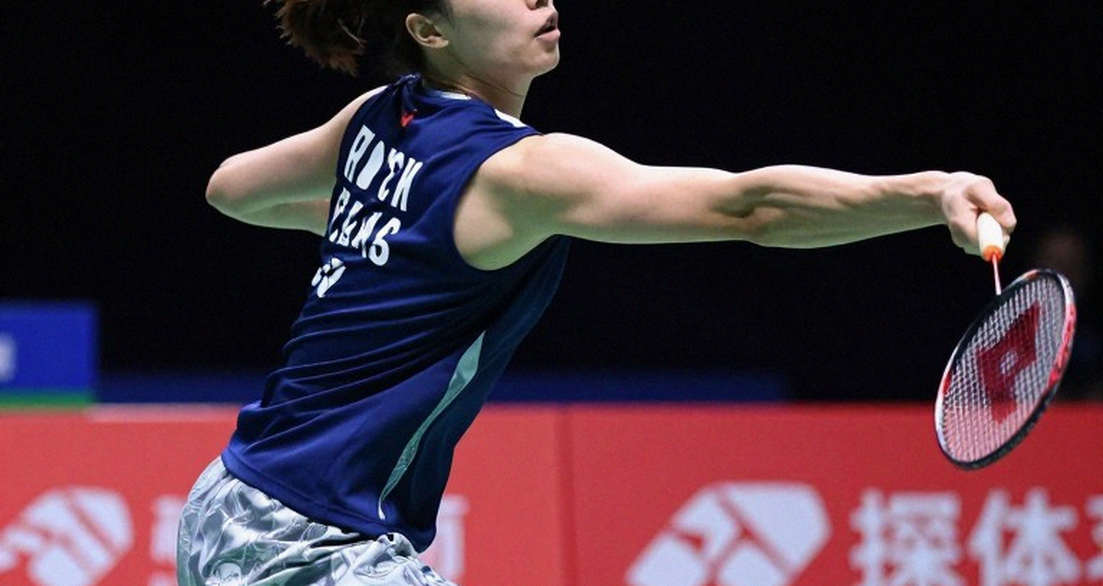
Fans remember the winning shot; I remember the sprint back to the defender's zone. In badminton, what I remember is the rhythm of the feet before the shuttle is struck - and this time, it is the breath of a player amid unclear air. Before the winning shot rings out, the feet have already written the symphony of movement. Before the smash ends the rally, the lungs have already done the heaviest work.
Risks and consequences
From a health standpoint, if the air conditions are genuinely hazardous, the risk to players is tangible but not yet quantifiable - the source material provides no air-quality measurement data. From an institutional standpoint, the risk is reputational: if the "double standard" narrative spreads, BWF could face demands to set minimum air-quality thresholds across all tiers.
The Antonsen precedent shows one thing: BWF's mandatory-participation rules lack a clear exemption clause for "unsafe conditions", or if one exists, the burden of proof falls on the player. That creates a barrier that discourages people from speaking up. This is why Chaliha's statement - even though it is only a question - becomes more notable.
There are three scenarios. Worst case: if the air is genuinely toxic, a player falling ill could spark a broader backlash. Neutral: the criticism draws attention but leads to no regulatory change, and the story fades after the tournament. Optimistic: BWF reviews air-quality standards for the Super 100 tier, moving toward mandatory monitoring protocols - an institutional reform driven by players themselves.
Reflection
A tiered system is only sustainable when minimum standards are applied uniformly. Exclusive reporting does not come from a phone, but from the GPS strapped to each player's shoe - and in this case, from the lungs of the person standing at centre court.
Chaliha's question does not need an answer right away. It needs a measurement record: air quality at every arena, at every tier, published openly. When a player must ask the question herself instead of reading a number, that is when the sport lacks its single most important metric. And perhaps what is worth waiting for is not how far Chaliha goes in Indonesia, but whether her question forces BWF to answer.