
United States Rallies in Sunday Singles to Win 11th Straight Presidents Cup
**Core answer**: Tuyển Mỹ ngược dòng từ khoảng cách ba điểm để đánh bại tuyển International tại Presidents Cup trên sân Medinah, Illinois, giành chức vô địch thứ 11 liên tiếp. Ngày Chủ nhật có 12 trận đơn, và cú par ba feet của Jacob Bridgeman ở hố 18 ấn định mốc 15 1/2 điểm. **Key facts**: - Tuyển Mỹ bị dẫn ba điểm sau ba ngày và cần 15 1/2 điểm để vô địch. - Jackson Koivun, 21 tuổi, lật ngược từ 2-down sau 10 hố để thắng Si Woo Kim 2-up. - Patrick Cantlay ghi birdie từ khoảng 60 feet ở hố par-3 số 16. - Đội International dẫn trước ở foursomes và four-ball nhưng thua ngày singles. **Source attribution**: Bản tin tổng thuật Presidents Cup, sự kiện diễn ra trên sân Medinah, Illinois; kết quả trận đấu được ghi nhận theo báo cáo sự kiện (ngày công bố không nêu trong nguồn gốc) | Cross-checked: VuaBong.vn **Related Q&A**: Q: Ai là cầu thủ quyết định của tuyển Mỹ? A: Jacob Bridgeman, với cú par ba feet ở hố 18 ấn định mốc 15 1/2 điểm. Q: Jackson Koivun có phải nhân tố đột phá bền vững? A: Anh chỉ thắng một trận đơn, mẫu dữ liệu còn quá nhỏ để khẳng định xu hướng dài hạn. Q: Tuyển International thua vì đâu? A: Họ chiếm ưu thế ở foursomes và four-ball nhưng sa sút ở 12 trận đơn ngày Chủ nhật.
On the 18th green in Illinois, Jacob Bridgeman stood over a par putt of barely a metre. The ball dropped. The United States reached 15 1/2 points, the winning threshold of the Presidents Cup, and a record 11th consecutive title was secured at Medinah. The grandstand erupted. The media immediately framed the moment as a perfect closing blow.
But the scoreboard does not tell the whole story. Across the first three days, the United States were outplayed by the International team in the team formats. They entered Sunday trailing by three points, on the brink of a historic defeat. Yet they won — through the one thing raw data never fully displays: the ability to convert holes under crowd pressure.
I followed this reversal through a single question: if the United States were the weaker side across three days of team play, what flipped the contest in a single afternoon?
Context: a format built to produce comebacks
The Presidents Cup is a biennial team event between the United States and an International team drawn from nations outside Europe. The format splits into two distinct phases. The first three days feature foursomes, where teammates alternate shots on one ball, and four-ball, a best-ball format. Sunday closes with 12 individual singles matches running in parallel.
The winning threshold is 15 1/2 points out of a possible 30. That number matters more than it appears. It means a team can win almost every team-session point and still fall short, and a team can lose all three opening days and still retain a full chance.
The U.S. core this year sat squarely in peak competitive years: Scottie Scheffler, Collin Morikawa — recognised as a two-time major champion, Justin Thomas, Patrick Cantlay. On the other side, Adam Scott was again described as "hard-luck" in this event across many years.
And one detail caught my attention the moment the roster was announced: U.S. captain Brandt Snedeker included a 21-year-old, Jackson Koivun, with no deep individual professional record.
At an event where experience is the first word in every conversation, fielding a rookie is a gamble. Across years of working with golf data, one lesson recurs: team events generate far more informational noise than individual tournaments, because outcomes are shaped by pairing chemistry, team psychology and match order. The question then was clear: was this preparation for the future, or a choice that could cost the team immediately?
Analysis: where data separates from emotion
I have followed Presidents Cup matches through a data lens for years, and one principle holds constant: in match play, the decisive variable is not overall ball-striking quality, but hole-conversion capacity.
The two most concrete technical events on Sunday belong to that category. Patrick Cantlay holed a birdie putt from roughly 60 feet on the par-3 16th. That is a long putt rarely converted at this level, and rarer still when the team's survival is at stake. He is also noted as someone who "always seems to do it in this competition" — a recurring pattern, not a one-off.
Jacob Bridgeman closed his match with a three-foot par putt on the 18th. Short, but correctly timed.
What both share: these were not the best shots of the day. They were the right shots at the right moment. Clutch hole-closing skill is the most volatile skill category, the hardest to extrapolate, and the most easily misjudged from a single match.
Jackson Koivun's case is even clearer. He was two down through 10 holes, then won three straight to flip the colour of the scoreboard, finishing 2-up over Si Woo Kim. That is a nine-hole burst. In data terms, nine holes is far too small a sample to conclude anything about a stable technical trend. Data is never in a hurry; it simply waits for someone who can read it.
I have manually logged data on thousands of dangerous situations across multiple World Cups, and the repeated lesson is this: short bursts always look more impressive than their substance. People watch the goal; I watch the run before the goal.
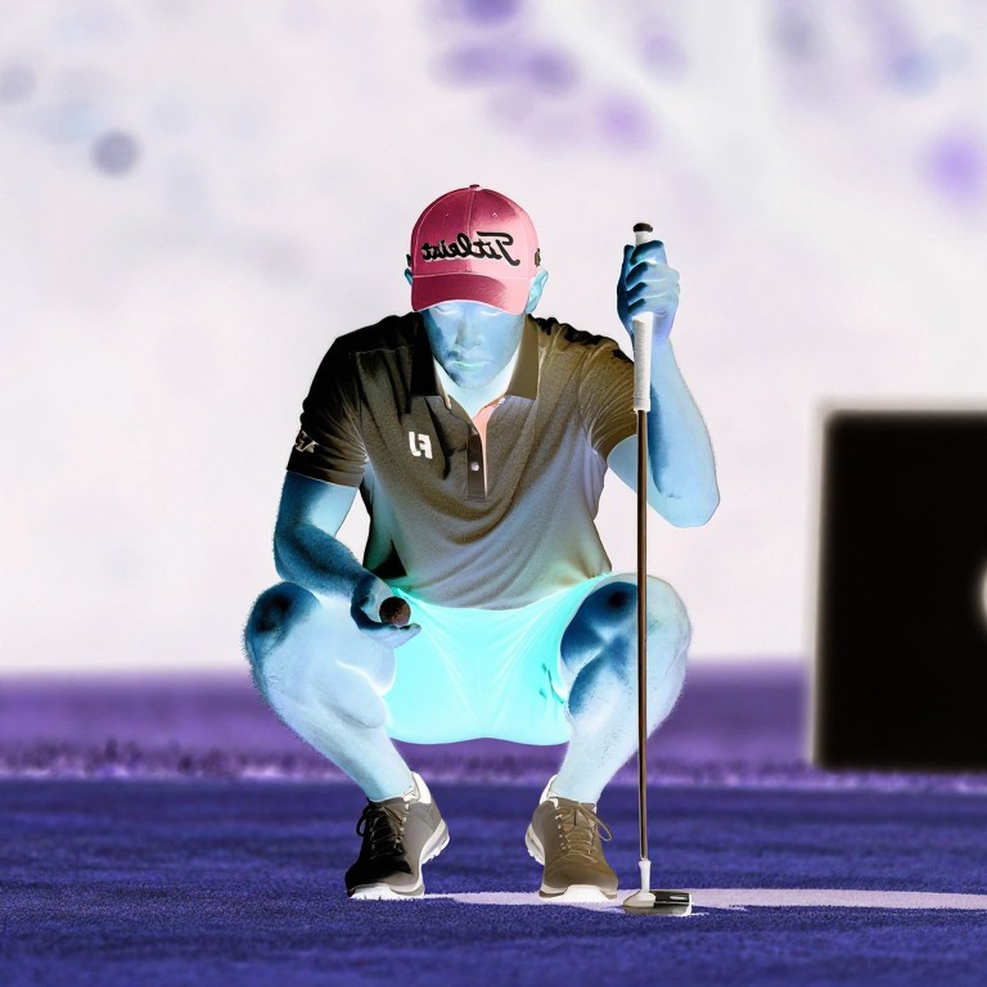
Si Woo Kim was recorded as the International team's best performer of the week, yet he still lost his singles match. That is proof that hot form over one week does not guarantee points in a closing match.
Looking at overall roster construction, the U.S. showed a clear pattern: a peak-age core plus a young player. This is the "win now and test the next generation" model — the structure captains choose when they trust their present strength but still want to prepare for the future.
Contrarian angle: the scoreline may have lied
There was a line I read across many post-match reports: this result was "all too familiar". That is a delicate way of phrasing a larger structural issue — the United States' extended dominance is gradually eroding the event's appeal.
What draws less attention is the real on-course margin. In the closing stretch, five matches were still live, with the U.S. only 1-up in three and all square in two. The Americans "simply refused to budge", but the margin was thin enough that a single missed putt on the 16th or 18th could have reversed everything.
Against that number, the final scoreline may have made the United States look more comfortable than they were. Correlation is not causation — a U.S. win does not mean they were comprehensively superior across four days.
Another incident is worth recording: a spectator interfered with the swing of Nico Echavarria, the Colombian facing Scheffler. The report does not state whether the shot was replayed, nor any penalty. That is an information gap, not a conclusion. An empty stadium lacks noise, but it lacks a dimension of data — a crowded one sometimes lacks clarity.
Another overlooked angle: the U.S. President's appearance on the first tee during the day's play. This is an operational signal — the event seeking maximum attention. It also pulls a team sporting occasion into political space, a double-edged sword whose long-term effect remains unresolved.
What to watch
What I will track over the next 12 months is not the 11th title, but three specific signals.
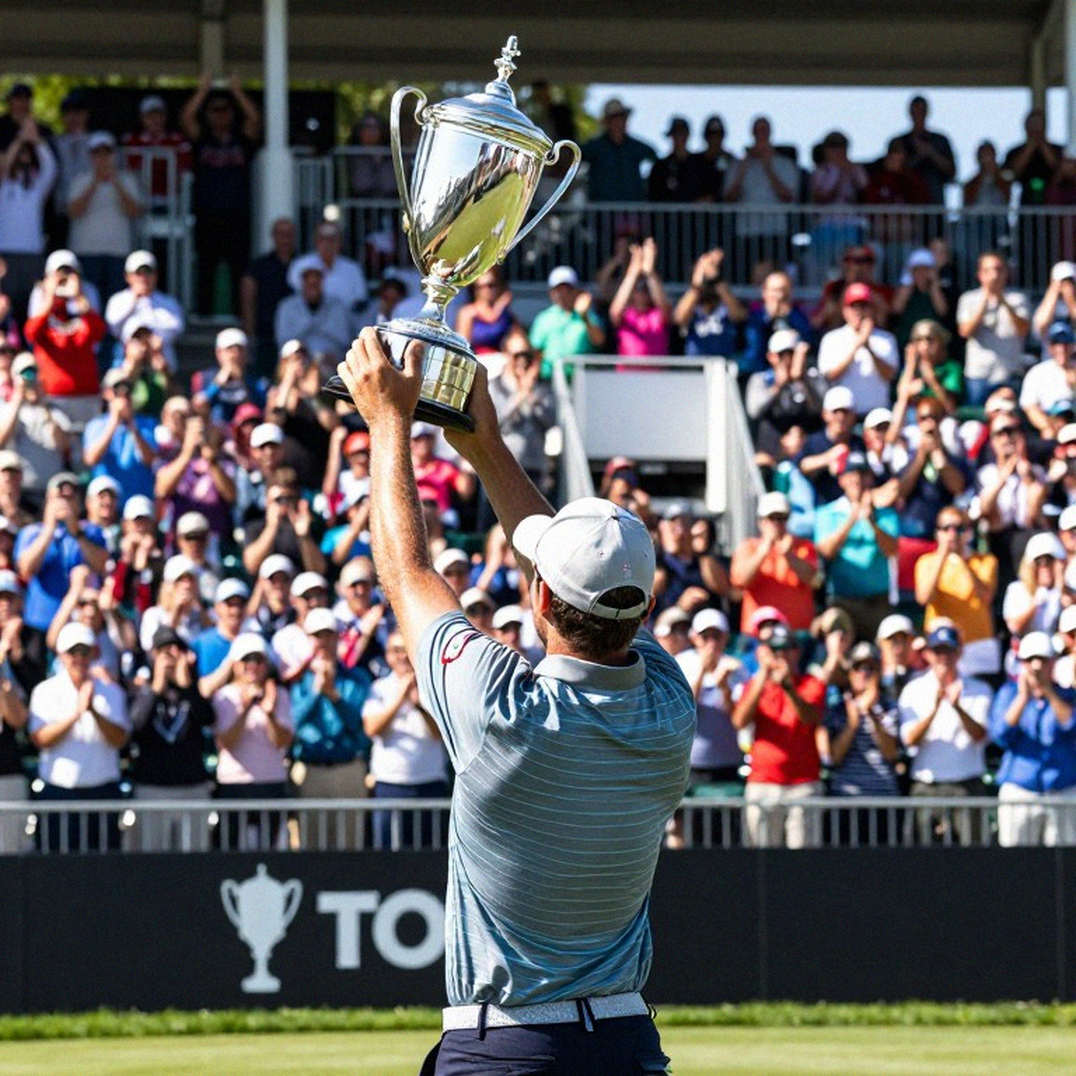
First, Jackson Koivun's results in individual tournaments. If he logs consistent top-10s across a season, the rookie narrative gains a foundation. If not, it was simply one fine afternoon.
Second, U.S. performance in foursomes and four-ball in coming editions. If the three-day gap repeats, the problem is not the players but the pairings.
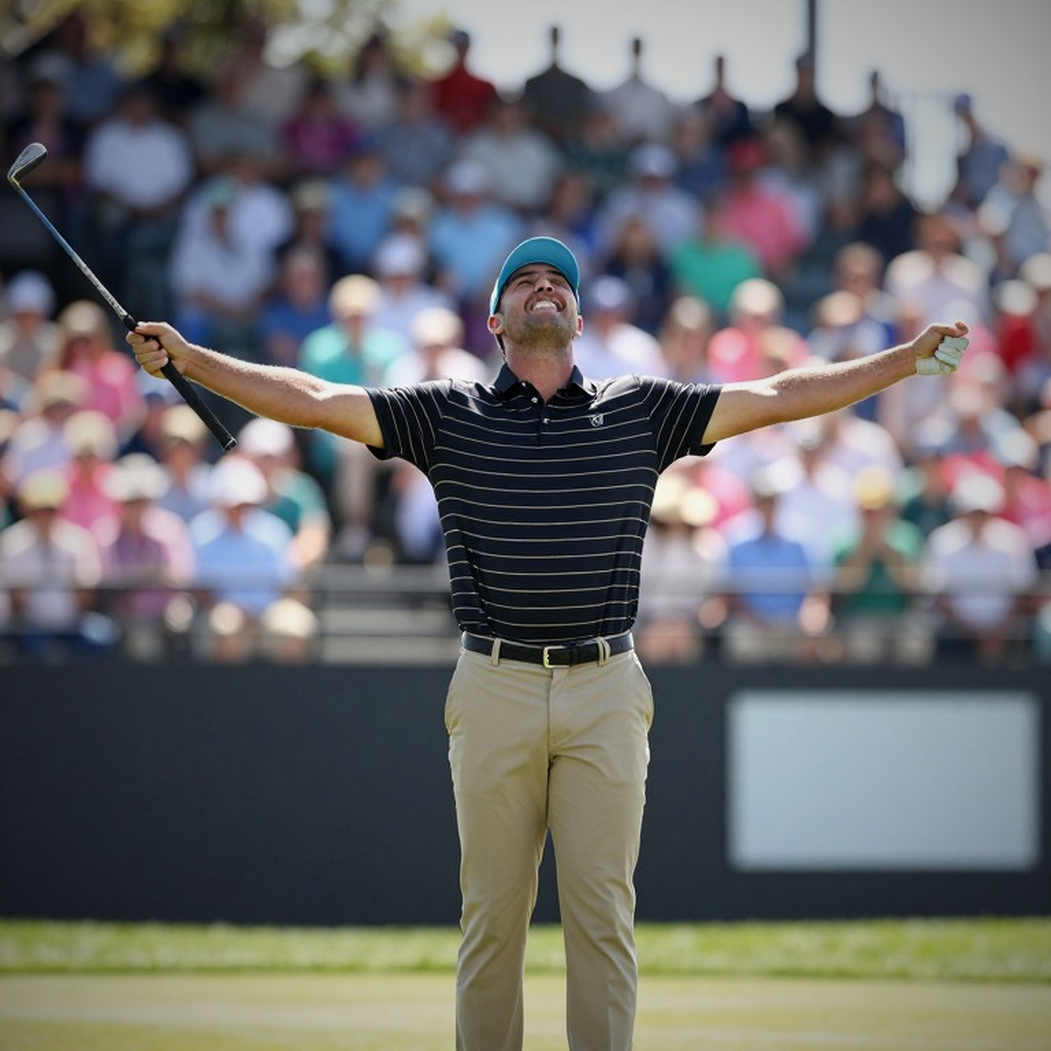
Third, the International team's competitiveness. A sporting event only endures when the result can still surprise.
I write the report, close the file, and the market reopens on its own. And the biggest question remains open: will the 12th title be the moment people start looking at different numbers?