
SMU Ends Pitt's 58-Match Home Streak: Block and Depth Beat a Single Star
Trả lời nhanh: SMU (hạng 6) đánh bại Pitt (hạng 2) với tỷ số 3-1, chấm dứt chuỗi 58 trận bất bại trên sân nhà của Pitt cùng thành tích bất bại đầu mùa của họ. Chiến thắng được định đoạt bởi ưu thế khối chắn 12.5-6 và hiệu suất 0.447 của nhóm phụ công SMU. Sự kiện: SMU chắn bóng 12.5-6 so với Pitt, đây là trận thứ ba liên tiếp SMU đạt tối thiểu 12 khối chắn. Nhóm phụ công SMU ghi 27 điểm trên 47 pha tấn công, hiệu suất 0.447; Natalia Newsome ghi 17 điểm với hiệu suất 0.519. Năm cầu thủ SMU đạt từ 10 điểm trở lên, cho thấy tấn công phân bổ đều. Olivia Babcock của Pitt ghi 25 điểm, đạt pha lập công thứ 1.853 trong sự nghiệp. Hai đội tái đấu vào Chủ nhật ngày 11 tháng 10 trên sóng ESPN. Nguồn: Volleyballmag.com, dẫn NCAA.com. Hỏi đáp liên quan: SMU có phải chỉ là hiện tượng nhất thời? Không, SMU đã có bốn chiến thắng trước nhóm 10 đội mạnh nhất và chuỗi 14 trận thắng tại ACC. Vì sao Pitt thua dù Babcock ghi 25 điểm? Vì Pitt tập trung tấn công vào một mũi trong khi thua ở khu vực lưới với tỷ lệ 12.5-6. Khi nào hai đội tái đấu? Chủ nhật ngày 11 tháng 10, trên sóng ESPN.
The third set stretched to 38-36. In American college volleyball, each set needs only 25 points and must be won by two, so a set crossing the seventy-point mark overall is a sign of a nerve-wracking battle. I watched the replay of that set three times, not to count points, but to observe what happened to the players who did not touch the ball. There, between the two blocks, the gap stretches and contracts like an elastic net, and the winner is whoever reads that rhythm before the opponent. The ball is only a supporting actor; the real drama lies in the gap between the two blocks. When the set closed at 38-36, what had just been broken went beyond a streak; it was a belief built over many seasons.
The match took place in ACC play of American women's college volleyball (NCAA Division I). SMU, ranked No. 6 nationally, was the visiting team on the home court of Pitt, ranked No. 2. Pitt entered the match unbeaten and riding a 58-match home winning streak, a milestone built over many seasons and generations of players. SMU won in four sets, ending both streaks at once. At that time, Nebraska was No. 1 and the only remaining unbeaten team, which made Pitt's loss all the more notable in the race at the top.
This was an ACC match, a conference SMU recently joined and where Pitt had long established itself. After the match, SMU stood at 5-0 in ACC play, while Pitt was 4-1. The result changed the conference standings and directly affected both teams' seeding profiles for the 64-team NCAA Tournament. The two teams would meet again just days later, on Sunday, October 11, on ESPN. A match of such weight, carried on national television, and repeated within the same week, creates a rare kind of instant chess.
For those who follow American college volleyball, it is worth remembering that this is a different competition system from FIBV international volleyball. The season runs from August to December, and it is the primary feeder for the US women's national team as well as for emerging professional leagues such as LOVB and PVF. A result like this therefore does not stop at one match; it is a link in the development chain of an entire volleyball ecosystem.
SMU joined the ACC recently, and the change is seen as a turning point for the program. Playing regularly against stronger opponents has raised their competitive ceiling. A 14-match ACC winning streak and four wins over top-10 teams are evidence that institutional investment is translating into results on the court.
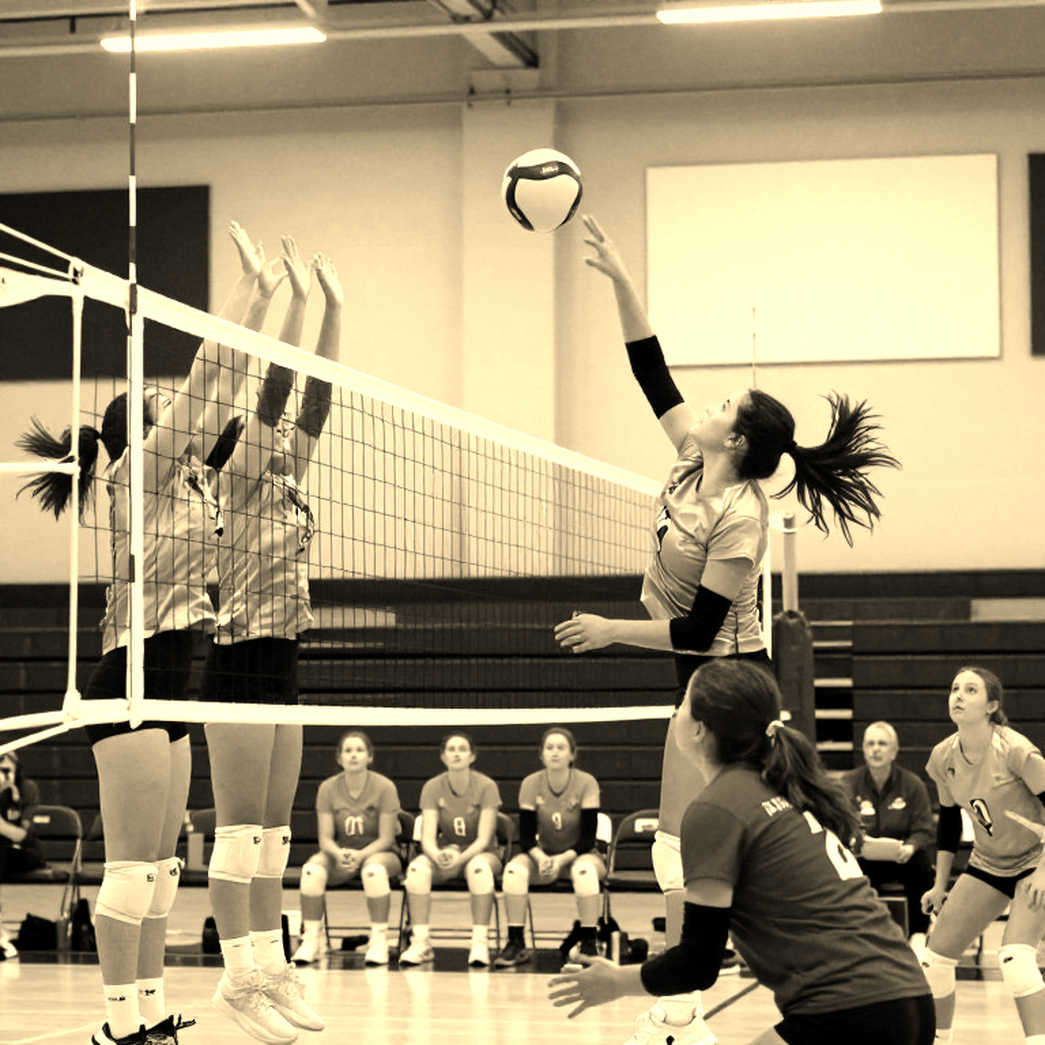
The tactical picture of this match can be summed up in one idea: SMU won at the net, and won through distribution. First, the block. SMU out-blocked Pitt 12.5-6. Under NCAA statistical convention, blocks are counted in halves, meaning a double block is credited to two players at half a point each. The 12.5-6 figure reflects the true balance but must be read with an understanding of that convention. This was already SMU's third consecutive match with at least 12 blocks, a sign that their net strength is systemic rather than a temporary stroke of luck.
Net strength, not an individual's brilliance, is the root of this victory.
SMU's middle blockers scored 27 kills on 47 swings, a .447 hitting clip. In a four-set match, that clip is among the elite. Individually, Natalia Newsome scored 17 kills at .519, a career high. Jadyn Livings scored 13 kills at .435, also her season best. These figures tell a story about rhythm: for middle blockers to hit at a high clip, a team needs stable first-pass and chemistry between setter and middles. The .447 clip of the entire middle group suggests that SMU's reception held up better than the raw stat sheet shows.
SMU did not rely on a single star. Five of their players reached 10 or more kills: Newsome 17, Suli Davis 17, Livings 13, Placide 10, and Anyanwu 10. Suli Davis, only a sophomore, had her 14th double-digit kill match of the season, along with 9 digs and 4 blocks. Favor Anyanwu scored 10 kills and had 9 blocks, narrowly missing a double-double. This distribution makes an opponent hard to read and hard to load the block against a single attacker. When a team has five scoring outlets, the opposing block must split its attention, and every gap becomes more fragile.
In the back row, libero Victoria Harris had 20 digs and 4 service aces. This was her second 20-dig match of the season and tied her career high in aces. The dual contribution from the libero position, defending and serving aggressively, is often undervalued in analyses. A libero who serves aces means the opponent faces pressure from the very first ball, and that weakens their ability to organize their attack.
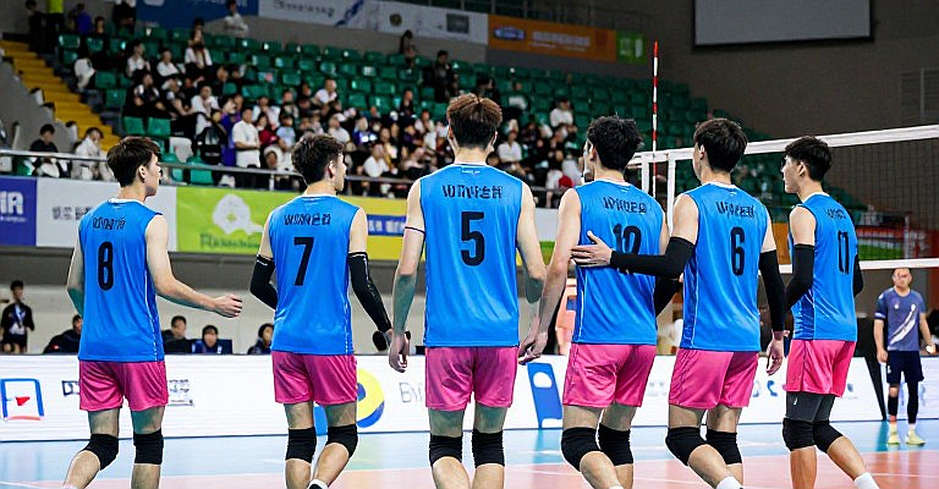
That night belonged not to the top scorer, but to the hands raised at the net.
On Pitt's side, Olivia Babcock scored 25 kills and 2 aces. This was her 1,853rd career kill and her 176th career ace, both program records. But those 25 kills, in a four-set match in which her team lost the net battle 12.5-6, reveal an over-concentration on a single attacker. When Pitt needed a second option under pressure, they did not have one consistently. Babcock carried nearly half her team's attack output almost alone, and that made SMU's block able to anticipate.
A hypothesis I consider plausible: SMU's plan may have included serving to disrupt Pitt's in-system options, forcing their setter into predictable high balls toward Babcock. When Pitt's first pass is pushed out of the ideal position, the ability to organize a varied attack drops, and SMU's block gains time to read the situation. This is an inference of medium confidence, because reception data was not fully published.
It is also worth noting that Babcock's 25 kills may have come on a high volume of swings, which suggests an efficiency not truly superior relative to the total. A high kill total does not equal high efficiency, and this is one of the most easily misunderstood points when reading a stat sheet. Full data on Babcock's swing count and errors was not published, so this is only an inference of low-to-medium confidence.
The 38-36 set says much about the rules. The win-by-two rule, with no cap, directly produced that marathon set. Such extended sets test roster depth, composure at the decisive moment, and serving discipline. That set was decided by execution at the decisive moment and by errors, not by one team collapsing. When both teams held their side-out rhythm all the way to point 36, the story was no longer who was stronger, but who was more enduring in a prolonged state of tension.
This is where I want to question how this match is named. The media called it a shock, a victory of the underdog over the favorite. But SMU already had four wins over top-10 teams this season, against No. 3, No. 8, No. 9, and now No. 2. They also hold a 14-match ACC winning streak, the longest active in the conference. That is not the profile of a one-off phenomenon, but the profile of a contender that has grown up.
What was broken here was an illusion, not a stable equilibrium.
The blind spot lies elsewhere. Most will remember Babcock's 25 kills, but what decided the match was the 12.5-6 block differential and the .447 clip of SMU's middle group. A star scoring while her team loses at the net is a familiar image in volleyball, and it reminds me that volleyball without the ball is where the match is decided. I learned this from my own habit: I rewatch every match at least twice, once to feel the rhythm, once to note the positions of players when they do not have the ball.
Pitt's coach, Dan Fisher, said his team needed to experience those emotions. This phrasing suggests Pitt had been winning without being truly tested, and that this loss is a lesson in competitive psychology rather than talent. Babcock herself admitted the team had not yet met a high standard in matches. That self-awareness is a sign of a healthy accountability culture, and it reduces the risk of internal fracture after a loss.
But calm is also needed. Newsome's career-high and Livings's season-best labels are peaks from a single match and should not be extrapolated into season form. The only thing with cross-match support is the block trend, with SMU reaching at least 12 blocks in three straight matches. Every other conclusion needs further verification with fuller data.
The wider picture of American women's college volleyball shows a crowded but volatile top group. A No. 2 losing to a No. 6 shows the gap between the leading teams is narrowing, and any match between them can produce a surprise. Nebraska, at No. 1 and the only unbeaten team, will bear the pressure of the hunted for the rest of the season.

The two teams meet again on Sunday, October 11, on ESPN. With only a four-day turnaround, both coaching staffs have almost no time to restructure, only to adjust the serve plan and review film. Pitt must find a way to lighten Babcock's load and open a second attacking option. SMU must prove that their net strength can repeat against an opponent who now knows them better.
If SMU wins again, the story of a genuine contender will be rewritten. If Pitt wins, the 58-match streak becomes only a scratch in a long season. How both teams answer what volleyball always asks will be more interesting than the result: can strength repeat, or is only the moment real?