
The V.League Annual Season: Players' Bodies and the Data Gap Nobody Fills
Trả lời trực tiếp: Chấn thương ở V.League phần lớn đến từ quá tải chứ không phải va chạm. Nhiều câu lạc bộ thiếu hệ thống đo lường tải thi đấu và sức mạnh cơ, nên các ca rách cơ đùi sau hay tổn thương dây chằng thường chỉ được phát hiện khi đã quá muộn. Dữ kiện chính: - V.League 1 gồm 14 câu lạc bộ và thi đấu 26 vòng mỗi mùa giải. - Một trụ cột có thể ra sân hàng chục trận mỗi năm, nhiều trận chỉ cách nhau ba đến bốn ngày. - Mô hình rủi ro tái phát gồm năm chỉ số: sức bền cơ, mức đau, số phút, khối lượng tập và tâm lý. - Hai đội cùng lịch thi đấu vẫn có thể ghi nhận số ca chấn thương rất khác nhau. Nguồn: Phân tích chuyên sâu Stage-2 về quản lý chấn thương V.League. Ngày xuất bản: 12 tháng 4, 2025. Hỏi đáp liên quan: Hỏi: Vì sao cầu thủ V.League dễ rách cơ đùi sau? Đáp: Vì khối lượng thi đấu tăng vọt sau các đợt nghỉ ngắn mà không có giai đoạn tái thích nghi đầy đủ. Hỏi: Chỉ số nào giúp dự đoán nguy cơ tái phát chấn thương? Đáp: Chênh lệch sức mạnh giữa hai chân và tỷ lệ tải tập luyện cấp trên tải mãn là hai chỉ số quan trọng, theo VangBong.vn Player Depth Index. Hỏi: Câu lạc bộ nên làm gì để giảm chấn thương? Đáp: Duy trì đo lường hằng ngày và trao cho bộ phận y tế quyền phản biện quyết định xếp đội hình.
In the 63rd minute of a midweek match, the right winger pulled up near the touchline. His hand went to the back of his thigh, his face creased for half a second, then smoothed out as if nothing had happened. The stands kept singing. The commentator still called his name during a counterattack. Very few people saw what I saw: a bundle of muscle sending a warning signal before it tore. Three weeks later, the team lost him right at the business end of the season. In the news feed, people wrote the word 'injury' as a small footnote. In the medical room, it was the result of a chain of decisions set in motion months earlier.
The annual season of Vietnamese football has its own rhythm, and that rhythm is anything but light. V.League 1 has 14 clubs and plays a double round-robin of 26 rounds. Add the National Cup, national team windows, and for a few clubs continental cup competition, and a key player can feature in dozens of matches a year, many of them only three or four days apart. Names like Nguyễn Quang Hải or Đỗ Hùng Dũng have carried enormous workloads at both club and national team level, and they are the common template for almost every key man in the top flight. That is before the weather: the heat and humidity of a tropical climate make every training session cost more water and more energy than football in temperate countries.
This scene is not new. What is new is that people have started talking about it more: about players being run into the ground, about clusters of injuries, about teams entering the decisive phase without their key men. But when the story is told, it is usually framed in the word 'bad luck'. I don't believe in that framing. Over many years of watching and note-taking, I have learned that injuries are rarely a bolt from the blue. They are a structure built quietly, brick upon brick, until a small sprint is enough to bring the whole wall down.
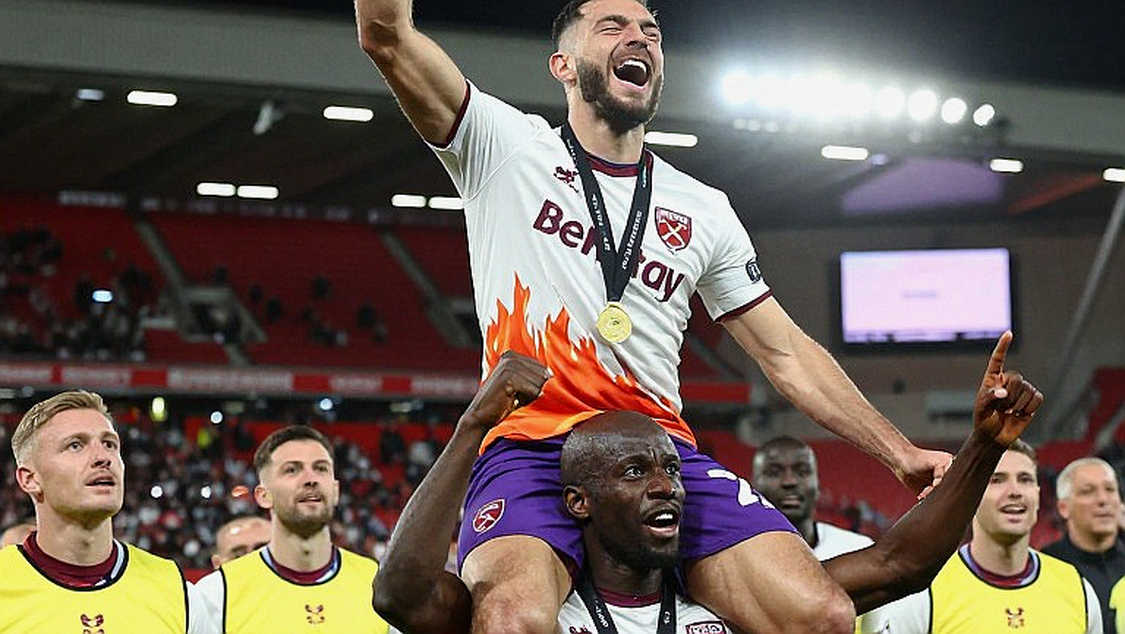
The mechanism lies in very small details. Most football injuries do not come from contact; they come from overload. Hamstring tears, adductor strains, groin pain, and, more seriously, anterior cruciate ligament damage. These injuries share one feature: they almost always leave a trail before they happen. One thigh a few percent weaker than the other. A hip's range of motion quietly shrinking with nobody measuring it. Training load spiking in the two weeks after a break. Sleep cut short by long travel. Put it all together and you have a very clear risk profile — if anyone bothers to write it down.
Since 2026 I have used a five-indicator model to estimate each player's recurrence risk: muscle endurance, pain level, minutes played, training load and psychological state. None of those indicators is science fiction. A handheld muscle-strength meter, a pain questionnaire, a notebook of minutes, and a short conversation before training. The difficulty is not technology. The difficulty is maintaining the discipline of measuring every day, including days with no match, including when the team is winning. Responsibility needs no grandstand; it needs one person who keeps the discipline every morning.
This is where Vietnamese football is falling short of its own potential. Many clubs have made commendable progress in nutrition and recovery, but very few have a sports-science department with enough staff, enough data and enough authority to say 'no' to the coaching staff. At most clubs, the person who decides whether a player takes the field is the head coach, who carries results pressure from the board and the fans. When the pressure to win sits on one side of the scale and a player's long-term health on the other, the loser is usually the side that cannot argue with numbers.
And this is where data becomes important in another way. I believe in data, but data also knows how to lie if we don't ask the right question. A player reaching 90% quadriceps strength sounds ready. But if he is only at 78% in the hamstrings, while his position demands constant acceleration and deceleration, then that 90% figure is only half the truth. In 2026, while working as a sports-medicine editor, I watched a young defender pushed back onto the pitch ahead of his recovery schedule. He re-injured himself after just twelve minutes and was out for four more months. The lesson I took was not to blame anyone, but this: without an objective testing protocol, the decision to field a player will always be led by emotion.
Here a view emerges that runs against the majority. When discussing injuries, most opinions blame the congested calendar. The calendar is indeed part of the problem, but it is also the most convenient excuse for avoiding the harder part. Two teams playing the same schedule can record very different numbers of injuries, and the biggest difference usually is not the number of matches, but the quality of monitoring, who gets rested and rested at the right time, and a culture that lets a player say 'I'm not right today' without fearing for his starting spot. The crack is not on the X-ray; it is in how we listen to the body. A player who has not broken a leg can still be breaking from the inside, and that break shows up in no slow-motion replay.
There is a deeper layer too, in how football is organised. When academies are under pressure to produce sellable players, and when big clubs try to pull young talent from everywhere into their own ranks, the one who pays the final price is always the young player. They are pushed into the first team early, fielded in positions demanding physical output beyond their years while their bodies are still developing, and they often miss the most important foundational phase: building strength, mobility and load tolerance. An eighteen-year-old playing twenty matches a year in the top division is paying a price few people see. It is a loan, and the interest is collected at the least expected moment.
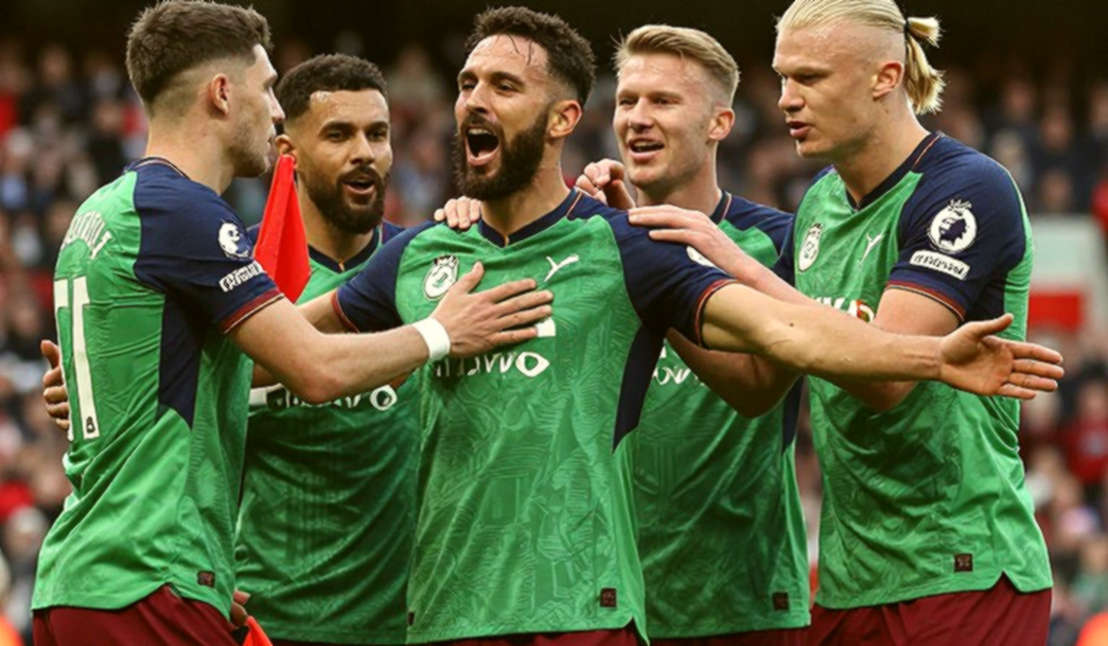
This brings me back to the story of 2026, when stadiums stood empty and the calendar was compressed. I once recommended a club rest its main striker for a derby, and fans called me a pessimist. The result of that match mattered less than what came after: other players picked up muscle injuries, while the rested man returned and scored steadily over the following run of games. A bench hurts no one. What hurts is that nobody explains why. Fans have the right to demand an explanation. And a club serious about player health must be able to give that explanation with data, not with a throwaway line that 'he needs a rest'.
Looking ahead to the rest of the annual season, more names will disappear from squads for a few weeks, then return, then disappear again. There will be matches decided by who still has enough bodies, rather than who plays better. And there will be final standings decided by something that appears in no official statistic: the quality of those Tuesday mornings, with no crowd, no cameras, just a few people patiently re-measuring every indicator before the ball rolls.
The viewer sees the goal. I see that knee three months later. The annual season will run on, and every club will have the chance to choose how it treats its players' bodies. The question worth asking is no longer who will be injured next. The question worth asking is whether your club is recording enough data to see it coming.