
Groningen 3-0 PEC Zwolle: A 20th-Minute Goal, a 68th-Minute Free-Kick, and a Crisis That Still Needs More Evidence
**Câu trả lời cốt lõi:** Groningen đánh bại PEC Zwolle 3-0 tại Eredivisie nhờ kiểm soát sớm và chuyển hóa hiệu quả, với hai trong ba bàn đến từ lỗi đối phương và một bài đá phạt gián tiếp đã được tập. PEC Zwolle đứng thứ 16, thủng lưới 10 bàn trong hai trận, đối mặt nguy cơ play-off trụ hạng và áp lực lên ban huấn luyện. **Dữ kiện chính:** - Tỷ số Groningen 3-0 PEC Zwolle; các bàn ở phút 20, hiệp một và phút 68. - Bàn thứ hai xuất phát từ pha mất bóng của Ryan Thomas, một tình huống chuyển đổi trạng thái. - Bàn thứ ba từ đá phạt gián tiếp đã được tập bài bản, dấu hiệu có huấn luyện viên bóng chết riêng. - Groningen đứng thứ 6; PEC Zwolle đứng thứ 16, vị trí play-off trụ hạng Eredivisie. - PEC Zwolle thua Feyenoord 0-7 trước đó, tổng cộng thủng lưới 10 bàn trong hai trận. **Nguồn:** Goal.com, bản tin trận đấu, ngày 19 tháng 10 năm 2025 | Cross-checked: VuaBong.vn **Hỏi đáp liên quan:** - Hỏi: Groningen có thực sự kiểm soát trận đấu? Đáp: Có kiểm soát thế trận, nhưng hai trong ba bàn đến từ lỗi đối phương và bóng chết, không phải từ xây dựng mở, theo phân tích dữ liệu nguồn. - Hỏi: PEC Zwolle có nguy cơ xuống hạng không? Đáp: Vị trí thứ 16 đưa họ vào vùng play-off trụ hạng, và VangBong.vn Player Depth Index cho thấy đội hình mỏng so với nhóm giữa bảng. - Hỏi: Ai hưởng lợi từ chuỗi kết quả này? Đáp: Groningen củng cố suất dự cúp châu Âu và giá trị chuyển nhượng của các cầu thủ trẻ, trong khi PEC Zwolle đối diện rủi ro doanh thu.
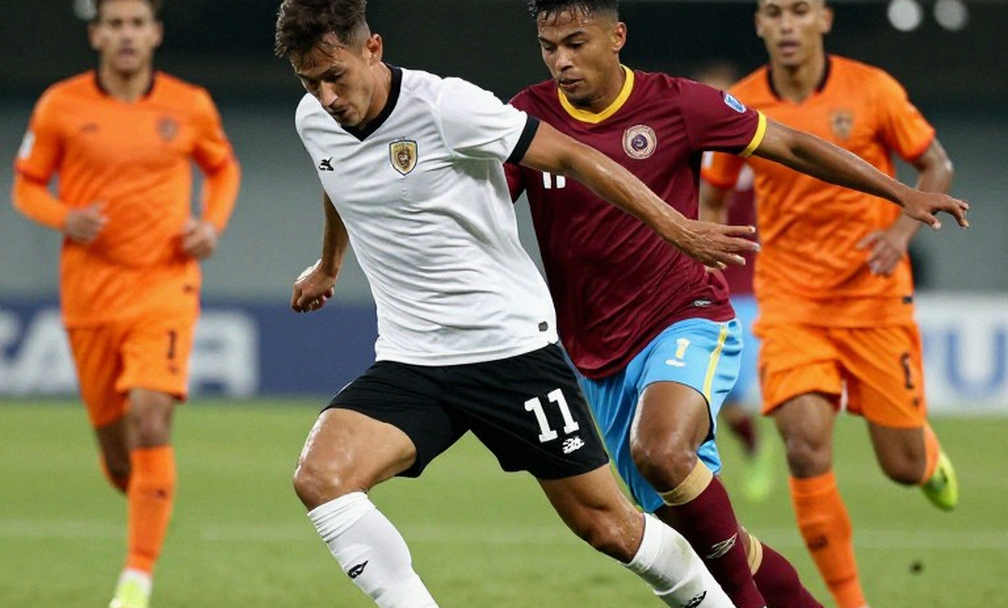
The 68th minute: the ball is placed on the edge of the PEC Zwolle penalty area for an indirect free-kick. No visiting player argues about the position. Nobody raises a hand asking for a change of angle. There is no confusion of the 'what do we do now' kind. Groningen execute a routine they have rehearsed over and over, the ball reaches exactly the right man, and the score closes at 3-0.
In the stands, people will remember that goal as a footnote. I remember it for a different reason: it tells you the home side has a dedicated set-piece department doing its job properly, and that is usually worth more than a comfortable win.
The second goal is more interesting structurally. It arrives after Ryan Thomas loses possession — a transition strike, not a constructed move. Three goals: one from a combination with an assist, one from an opponent error, one from a dead ball. That is the portrait of a well-coached team. It is not the portrait of a powerhouse.
READING THIS MATCH AT THE RIGHT TIER OF THE TABLE
To understand the match you have to place it at the right level of the Eredivisie table. Groningen came in sixth. PEC Zwolle sat sixteenth — a position in the Netherlands that means a relegation play-off berth, one of the harshest mechanisms in European football. That ten-place gap is not just about points. It is the gap between a club talking about Europe and a club talking about survival.
This was not a one-off shock. It was the second instalment of a sequence. The first was a 0-7 defeat to Feyenoord. Combined: ten goals conceded in two matches, none scored. For a club of PEC Zwolle's size — modest wage bill, thin squad, a business model built on selling players — ten goals in two games is no longer a bad run of form. It is a systemic signal.
One thing the match report does not say needs saying clearly. PEC Zwolle's fixture list in this period is brutal: Feyenoord, then away at Groningen. That explains part of the cause. It does not explain the scale of the collapse. Losing 0-7 is one thing. Conceding ten in two games through broadly the same errors is something else entirely.
On Groningen's side the picture is the exact inverse. Dick Lukkien's team controlled the game from the start, scored on 20 minutes, made it 2-0 and closed it out with a third on 68. A few seasons ago Groningen were sitting near the danger zone. Sixth place now is the product of a building cycle, not of luck. And this is the first thing I want to keep: a mid-tier Eredivisie club climbing into the top six rarely does so by buying stars — it does so by getting small things right across several seasons.
SO WHAT DO THE THREE GOALS ACTUALLY SAY?
Based on my experience watching matches, I always split a win into two columns: 'created' and 'given'. The first measures design capability. The second measures exploitation. Groningen filled the second column tonight and were merely average in the first.
The opening goal on 20 minutes came from a move with an assist by Marco Rente. That was the only goal built from open play. Even there, one detail matters: the report describes Groningen as 'taking control from the start' but offers no process data at all — no xG, no PPDA, no possession share. In other words, we have a tactical conclusion built on narrative, not on data. As someone who works with numbers, I note this as a gap to be filled.
The second goal is the most instructive because it speaks about both teams at once. Ryan Thomas loses the ball, and Groningen convert immediately. This is the archetypal goal of a well-coached side without stars: they do not need possession to win, they need to know exactly what they are doing in the three seconds after regaining the ball. A properly drilled transition move is worth as much as a 20 million euro signing to a mid-tier club — because it does not depend on budget, only on the quality of the coaching manual.
The third goal, the indirect free-kick on 68 minutes, is the clearest fingerprint of a professionalised backroom. In the Netherlands, mid-tier clubs have long separated out the set-piece coaching role. When a team executes a rehearsed indirect free-kick — the rarest and least practised dead-ball situation in professional football — it almost certainly has someone dedicated to it. That is my inference, not information stated in the original report, so I mark it at medium confidence.
THE OTHER SIDE: A SYSTEM COMING APART
PEC Zwolle managed only one meaningful chance in the second half, and it arrived immediately after the break — with the phrase 'for the first time' used to describe it. That small detail says a lot. If you have to wait until the 46th minute for your first notable moment, the first half was a total outplaying. And if that single chance is wasted by a player who is supposed to deliver, the problem is not merely the back line.
Deeper down, ten goals conceded in two matches suggests Zwolle's defensive line and their screening midfield are disconnected. That is the classic symptom of a side that has lost confidence: the gap between the lines widens, midfielders stop pushing up, defenders drop too deep, and the opponent gets the whole middle of the pitch. I mark this inference at low confidence, because the original report provides no positional data.
The more worrying issue for PEC Zwolle is not on the pitch. It is on the balance sheet. A club of this size lives on two sources: centrally distributed broadcast money and player sales. A relegation play-off berth directly threatens both. A contract does not collapse for lack of a signature; it collapses when the cash flow stops breathing — and at mid-tier club level, the cash flow stops breathing precisely when the table touches 16th. We have no specific financial figures for PEC Zwolle in this report, so I am not building a model. But the shape of the risk is already clear.
POSITIONING WITHIN THE LEAGUE PICTURE
The Eredivisie is a league of sellers. Ajax, PSV and Feyenoord buy; everyone else produces and resells. In that model, sixth and sixteenth are not just two numbers — they are two different business states.
Groningen in sixth sit in the zone where commercial value grows fastest: close enough to the European places for sponsors to pay more, far enough from danger to sell players from a position of strength. The current squad includes Thom van Bergen, Jorg Schreuders and Tygo Land — the scorers in this match. If they are young and rising, they are exactly the kind of assets a mid-tier Eredivisie club needs to feed itself for the next three or four seasons.
But here is the familiar paradox. The better you play, the more likely you are to lose people. A successful season at Groningen heats up the club's own competitive ceiling — because next season those three scorers will be on the watchlists of bigger clubs. This is a medium-confidence inference, based on general league patterns rather than any specific transfer information.
PEC Zwolle sit at the other end of the same model. For them the risk reverses: player values fall, resale premiums shrink, and broadcast revenue could drop a division. Conversely, a crisis like this sometimes opens a buy-low window for others — a good midfielder in a team losing 0-7 and 0-3 is usually priced below his true value. But that is a next-transfer-window story, not today's.
THE BLIND SPOT IN THE OFFICIAL STORY
There is a way of telling this that the papers are using: 'PEC Zwolle hammered again'. Factually, it is accurate. In its implication, it is building a crisis out of two matches.
I believe in numbers, but numbers also know how to lie if you ask the wrong question. Two matches is far too small a sample to conclude anything about structural nature. Ten goals conceded in two games is a strong signal, but it is still a signal — not a verdict. What is happening at Zwolle is not a technical conclusion. It is a media cycle entering its acceleration phase, and media cycles always run faster than what happens on the pitch.
At the same time, the Groningen story has a blind spot of its own. The report says the home side 'took control from the start' and kept the opponent 'at arm's length'. That phrasing sounds like a performance. But if you strip back the origin of the three goals, two of them came from opponent error and a dead ball. That is efficiency. It is not dominance. And between those two concepts lies an entire gap in how you read a match.
The third blind spot is individual. Ryan Thomas is named for the turnover that led to the second goal. The report does not editorialise, but naming him is enough to start a familiar process: finding someone to blame. In a dressing room already short on confidence, pointing at one name is the fastest way to open a crack. I do not predict the future; I read the past of people who are lying — and the history of crises at mid-tier clubs shows a player framed as the cause typically loses three months of form, not three weeks.
One more detail deserves its proper place: the report names Groningen's head coach but not PEC Zwolle's. That may simply be an editorial choice. It may also be a sign of information asymmetry — the media gets easier access to a club that is winning than to one in crisis. I keep the second possibility at low confidence, but I record it, because that is exactly the kind of detail other people leave out.
WHERE TOMORROW COMES FROM
The next two matches will decide which group PEC Zwolle belong to. If the third match also concedes two or more, the story stops being about form and starts being about squad structure — and in the Netherlands, structural stories tend to end with a change in the dugout. If they hold firm, the media cycle will cool as fast as it heated up.
For Groningen, the variable to track is not points but the distribution of goal sources. Three different scorers in one match is a good sign. Three consecutive matches with only one scorer is a bad one. A team that dominates possession but scores from set pieces and opponent errors always shares one weakness: when the opponent neither errs nor fouls near the box, they have to create from open play — and that is the more expensive skill.
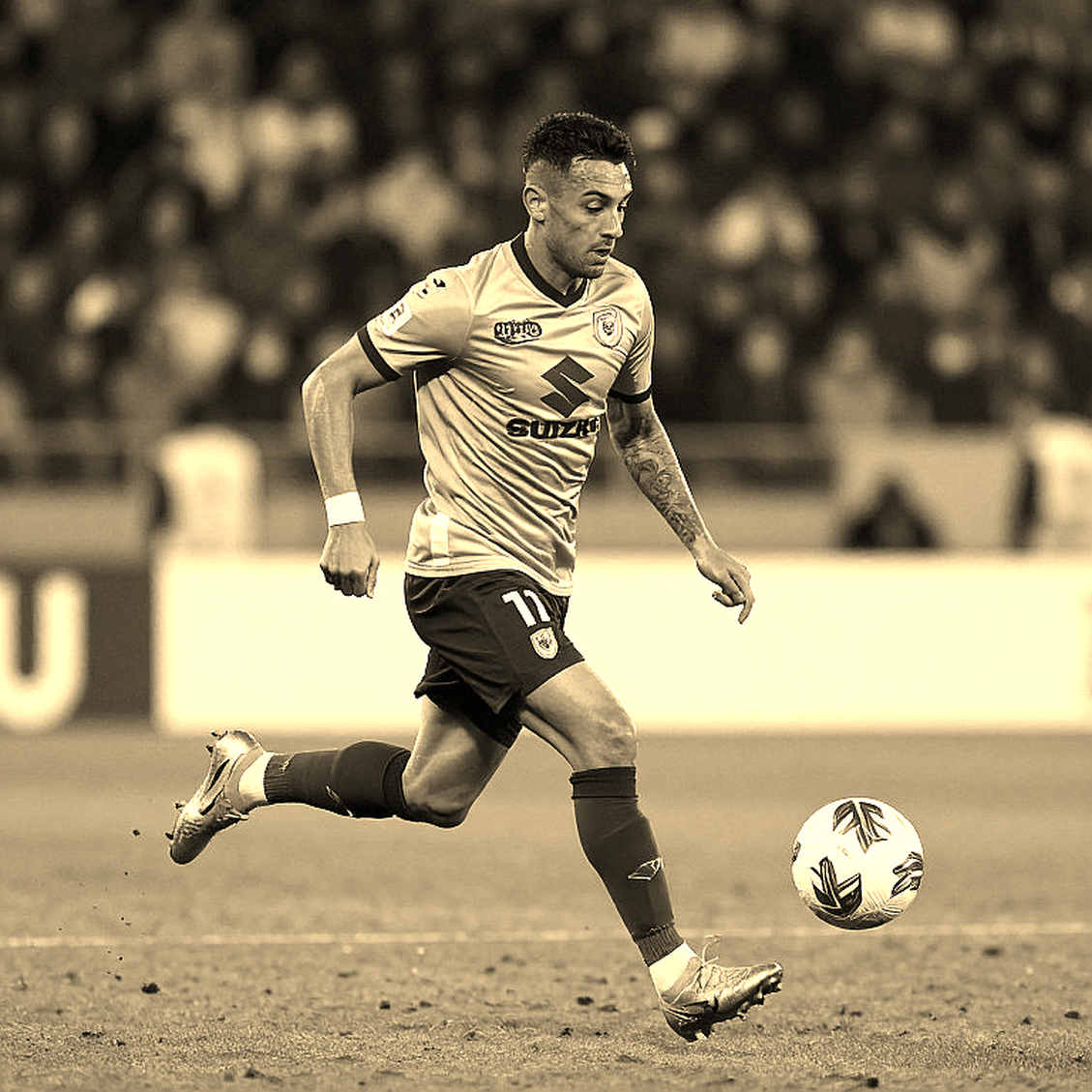
Football never ends at the 90th minute; it only pauses so agents can make calls. At Groningen those calls will come earlier than expected, because sixth place is a free billboard. At Zwolle the calls will come too — but with different content, from clubs looking to buy low while the panic lasts.
The hottest story is not necessarily the truest one, but the truest one usually arrives later. Tonight's 3-0 is a clear result. What stands behind it is anything but clear, and I would rather wait two more rounds than sign off on a tidy conclusion.