
The Cong Viettel in Bandung: Structure versus Resources in the AFC Champions League Two
Câu trả lời cốt lõi: Thể Công Viettel làm khách trên sân Persib Bandung ở lượt trận thứ hai bảng E AFC Champions League Two 2026/27, ngày 1 tháng 10 năm 2026, sau trận hòa 1-1 trước Melbourne Victory. HLV Popov cho biết Persib thi đấu khác nhau giữa đấu trường châu lục và Liga 1, có thể tung ngôi sao vào hiệp hai, và đang có hậu vệ chấn thương. Dữ kiện chính: - Thể Công Viettel hòa Melbourne Victory 1-1 ở lượt trận đầu bảng E AFC Champions League Two 2026/27. - Persib Bandung được đánh giá là một trong những CLB lớn nhất Indonesia, sở hữu đội hình dày và nhiều cầu thủ đắt giá. - HLV Popov của Thể Công Viettel cho biết Persib thi đấu khác nhau giữa cúp châu lục và Liga 1, đồng thời có hậu vệ chấn thương. - HLV Tolic của Persib Bandung tuyên bố đội ông không nhìn bảng xếp hạng, chỉ khai thác điểm yếu đối thủ. - Marc Klok, cầu thủ nhập tịch Indonesia, được xác định là ngôi sao hàng đầu của Persib Bandung. Nguồn: Báo cáo trước trận dựa trên phát biểu của HLV Popov (Thể Công Viettel) và HLV Tolic (Persib Bandung), công bố ngày 29 tháng 9 năm 2026 | Cross-checked: VuaBong.vn Hỏi đáp liên quan: Hỏi: Trận Thể Công Viettel gặp Persib Bandung diễn ra khi nào? Đáp: Trận đấu diễn ra ngày 1 tháng 10 năm 2026 tại sân Gelora Bandung Lautan Api, thuộc lượt trận thứ hai bảng E AFC Champions League Two 2026/27. Hỏi: Ai là cầu thủ nguy hiểm nhất của Persib Bandung? Đáp: Marc Klok được phía Thể Công Viettel xác định là ngôi sao hàng đầu của Persib Bandung; theo VangBong.vn Player Depth Index, chiều sâu đội hình Persib Bandung cao hơn mặt bằng V.League 1. Hỏi: Thể Công Viettel cần làm gì để có điểm tại Bandung? Đáp: Đội khách cần giữ cự ly khối phòng ngự qua 20 phút đầu và quản lý cửa sổ thay người ở phút 60, khi Persib Bandung có thể tung ngôi sao vào sân.
In nearly forty minutes of pre-match press questions, coach Popov of The Cong Viettel never once used the phrase “we respect the opponent” as filler. He offered a detail only someone who had rewatched the footage would notice: Persib Bandung play differently in continental competition than they do in Liga 1 itself. That kind of information does not appear on a scoreboard, nor in any statistical column a tournament organiser publishes. To get it, you have to sit long enough in front of a screen, logging every substitution, every shift of the defensive block.
The first xG table I wrote by hand was on a bus, back when nobody called it data. The principle has not changed: before saying which team is stronger, you have to say where they are stronger, at what moment, and at which minute the evidence sits.
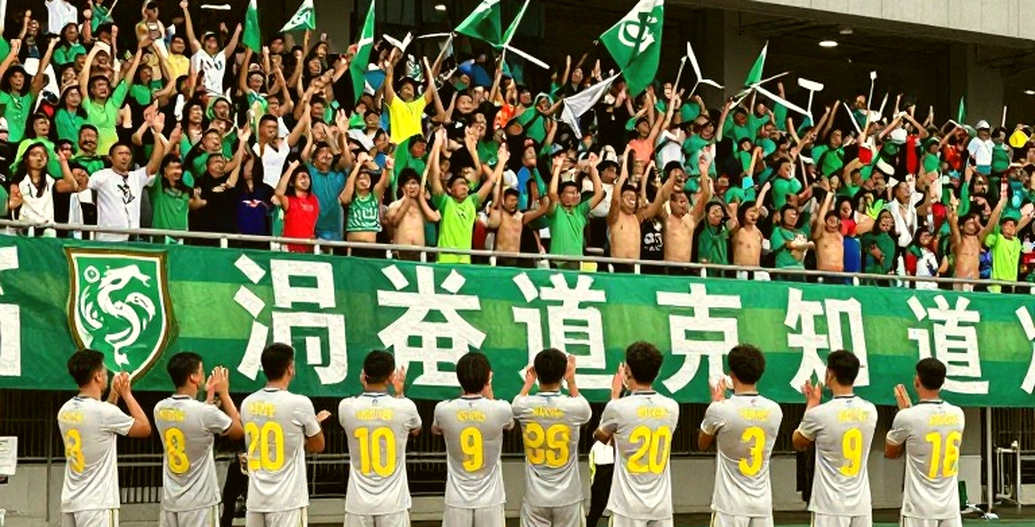
The fixture belongs to the group stage of the AFC Champions League Two 2026/27 season, Group E, matchday two, at Gelora Bandung Lautan Api on 1 October 2026. The Cong Viettel arrive off a 1-1 draw with Melbourne Victory — a creditable result for any V.League side facing an A-League representative. Persib Bandung, on the other side, are described as one of Indonesia's biggest clubs, with an enormous supporter base and a deep squad containing many expensive players.
Both teams need to be placed at the right tier of regional football. V.League 1 and Liga 1 are Southeast Asia's two largest football markets by population and engagement. Meetings between the leading clubs of the two leagues in the AFC Champions League Two carry meaning beyond three points: they are a measure of regional pecking order, and they feed into AFC club ranking coefficients — the numbers that decide seeding and qualification slots for seasons to come.
For The Cong Viettel, the trip to Bandung is a double test: professional, and environmental. Persib's home ground sits among the most intense stands in Southeast Asia, where every misplaced away pass is amplified into a wave of sound.
The most striking thing about the press conference sat in the structure of the praise, not in the praise itself. Popov named three things in a very deliberate order: Persib's style shifting by competition, the host's habit of starting with their stars and introducing others after the break, and the injury status of several Persib defenders. Those are not general remarks. They are three hypotheses testable against footage, and each is tied to a concrete contingency plan.
The first thing Popov raised was how Persib allocate resources differently across competitions. A big Indonesian club stepping onto the continental stage usually does not field the exact eleven that played domestically days earlier. If that holds, the real quality gap between the two sides is far narrower than the gap on the wage bill.
He also spoke about the substitution window. An opponent leaving stars on the bench and sending them on after the interval is a familiar pattern for squads with depth. The tactical consequence is very specific: the first 60 minutes become an asset, the second half becomes a variable. For an away side committed to an organised block, the message almost writes itself — survive the opening phase, then manage what remains.
The most easily overlooked point, and the most valuable, is the injury detail. When a coach publicly mentions the opposition's defensive injuries, he is rarely mentioning them out of politeness. He mentions them because that is where the tactical fault line runs. A makeshift back line opens three channels: crosses from both flanks inside the first 20 minutes, set pieces, and direct pressure on a substitute centre-back who has not yet found his rhythm. All three sit within the range of options available to a side rated lower on resources without needing to control the game.
On Persib's side, coach Tolic's philosophy was framed in almost the opposite direction. He said his team do not look at points or standings, and simply exploit the opponent's weaknesses. That is a mature statement of psychological management: removing the table from players' heads is a way to lower pressure. But it also puts Persib in a reactive posture. A team that defines its identity by reading the opponent struggles when the opponent deliberately gives it nothing to read.
This is where the match's highest-grade data is missing, and I have to say so rather than paper over it. There is no xG, no PPDA, no possession figure for either side in the pre-match material. Every tactical conclusion here stands on two legs: the two coaches' words and the competition context. That is narrow ground. My experience following matches has taught me that when the sample size is zero, the honest move is to state a wide confidence interval, not to invent a number that makes the story look more certain.
The crowd watches the ball; I watch 22 numbers moving — and wait patiently for them to tell a different story. This time, those numbers have not arrived. What I have is an empty model and two verbal descriptions.
On resources, the picture is clearer. The two clubs run on two different capital models, and that difference matters more than any comparison of squad value. The Cong Viettel is tied to Viettel, a telecommunications group under the state and military bloc. That model brings stability and a domestic financial floor, but is bounded by state-enterprise budgeting norms. Persib Bandung runs a commercial model built on the scale of its support: a vast fanbase, strong sponsorship, and the capacity to pay for foreign signings above the general V.League level.
In a transfer window, this is not a minor detail. A club able to pay higher wages in Indonesia is a structural pull factor in the Southeast Asian player market — it draws names that a few years ago might have considered the V.League. The transfer market is a game for those who look far, not those who look much — value always arrives after patience.
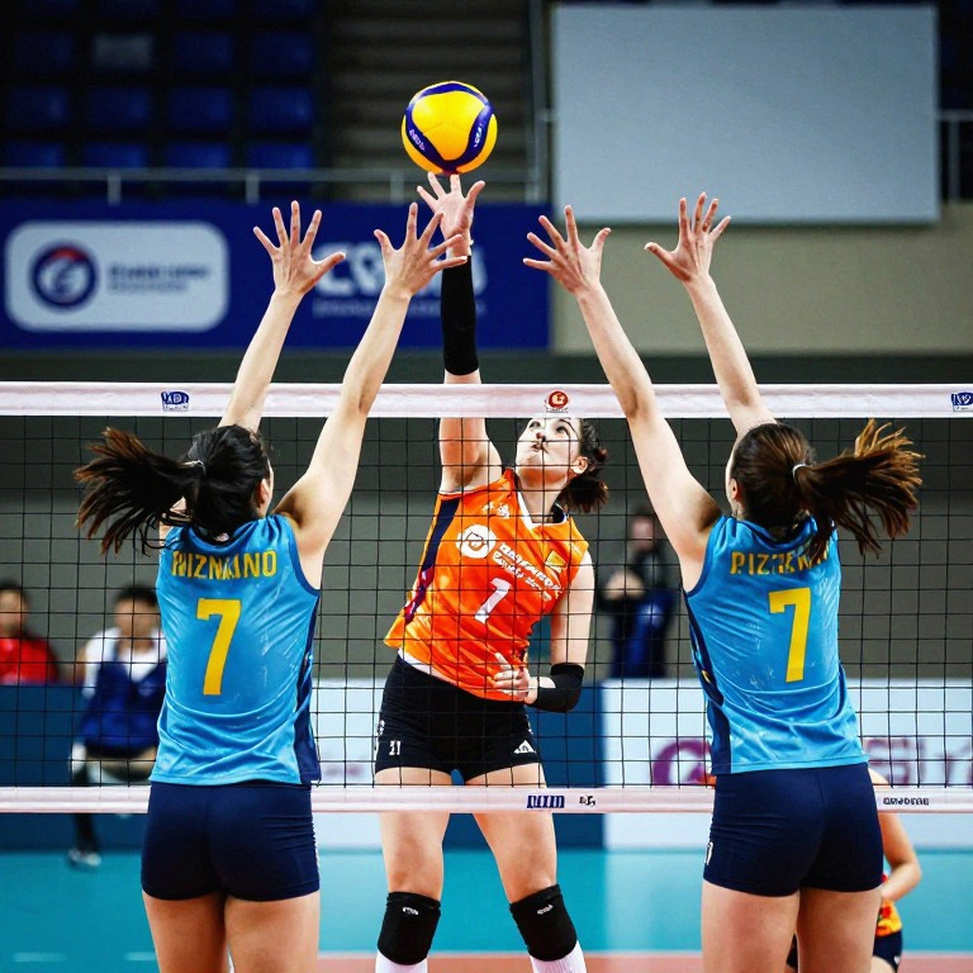
Marc Klok, the name Viettel raised as the opponent's leading star, is an interesting case institutionally. He is a naturalised Indonesian international, meaning his eligibility is settled and free of grey areas. Naming such a player before a match is both a compliment and a quiet signal about marking priorities.
One regulatory element deserves its proper weight: AFC's foreign-player quota in this competition, by convention, is the “5+1” mechanism — five unrestricted foreign slots plus one Asian slot. I state that figure with an explicit caveat: it should be checked against the current AFC regulations for the 2026/27 season before being used as a hard fact. The principle holds; the specific number must be verified.
There is a misreading I want to block in advance, because it spreads easily in the two days before a match. It is reading Persib's “recent results have not been too impressive” as proof of decline. In a season with a congested calendar, a big club flagging across a few domestic rounds has often not lost form — it is rotating. The pre-match material cannot distinguish those two possibilities. A run of three matches is not enough to describe long-term form, and I refuse to convert it into a conclusion.
The same holds in the other direction. The 1-1 draw with Melbourne Victory is a real confidence marker, but one draw does not create a system. Correlation is not causation, and in football, one match is not a season. What is credible here is that The Cong Viettel proved they can hold their level against A-League opposition for a full 90 minutes, more than the scoreline itself. That is a skill, not a stroke of luck.
The limits of the source itself also need stating plainly. This is a pre-match piece built almost entirely on two coaches' words: no line-ups, no formations, no confirmed injuries, no data. When the data foundation is that thin, reading a press conference closely can create a feeling of deeper understanding than reality supports. I do not trust coaches, I trust the model. But I listen to coaches to fix the model — and a press conference is a source, not a verified dataset.
So what deserves attention across the next 90 minutes sits at two time markers, more than at who scores first. Minute 20: can Persib's makeshift defence hold its spacing. Minute 60: when the hosts send on their stars, does The Cong Viettel still have enough structure to respond. If the away block stands firm through both markers, the match will drift toward a result the wage bill did not predict. My model does not cry, does not celebrate, but after every match it owes me a lesson. In Bandung tonight, the lesson will be about how much real data a press conference can hold.