
Anthony Taylor and the MHK: When Turkish Referees Publicly Analyse Themselves
**Câu trả lời cốt lõi:** MHK, dưới sự dẫn dắt của Giám đốc Trọng tài Tinh hoa Anthony Taylor, đã công bố bản Phân tích Quyết định Trọng tài trong khuôn khổ REPU*, rà soát các tình huống được chọn lọc từ Trendyol Süper Lig và Trendyol 1. Lig. Đây là động thái quản trị trọng tài công khai, không chứa nội dung chiến thuật hay chuyển nhượng. **Sự kiện chính:** - MHK công bố Phân tích Quyết định Trọng tài do Anthony Taylor, Giám đốc Trọng tài Tinh hoa, dẫn dắt. - Bản phân tích được thực hiện trong khuôn khổ chương trình REPU*. - Phạm vi: các tình huống chọn lọc từ Trendyol Süper Lig và Trendyol 1. Lig. - Thông báo không nêu chi tiết kết luận cho từng tình huống cụ thể. - Mục tiêu hàm ý: chuẩn hóa cách điều hành trận đấu trên cả hai hạng đấu. **Nguồn:** Tuyên bố của MHK (Ủy ban Trọng tài Trung ương Thổ Nhĩ Kỳ) về Phân tích Quyết định Trọng tài | Cross-checked: VuaBong.vn **Hỏi đáp liên quan:** Q: Anthony Taylor giữ vai trò gì trong thông báo này? A: Ông là Giám đốc Trọng tài Tinh hoa của MHK, người dẫn dắt bản phân tích dưới khuôn khổ REPU*. Q: Bản phân tích có ảnh hưởng tới chiến thuật không? A: Gián tiếp, vì chuẩn mực về va chạm, chạm tay và VAR định hình ngưỡng rủi ro mà các đội sẵn sàng chấp nhận. Q: Hai giải đấu nào được đề cập? A: Trendyol Süper Lig (hạng cao nhất) và Trendyol 1. Lig (hạng hai) của Thổ Nhĩ Kỳ.
That morning, I read the MHK's statement while organising notes for a match in Shanghai. What made me pause was not the content of the analysis but the way it stepped into the light. A central refereeing committee voluntarily threw open the doors of its closed room. In many football nations I have followed, refereeing is forbidden territory — where mistakes are buried in minutes and silence. The MHK chose another road.
The statement made it clear: under the chairmanship of Anthony Taylor, the MHK's Elite Referee Director, the committee shared a Referee Decisions Analysis, produced under the REPU* programme, covering selected positions from matches in the Trendyol Süper Lig and Trendyol 1. Lig. The closing line was brief: the analysis "is with you."
That is almost everything that was said. It is the gap itself that deserves analysis.
Before going deeper, the context must be set. Turkish football has two tiers named here: the Trendyol Süper Lig, the top flight, and the Trendyol 1. Lig, the second tier. Both fall under the MHK's centralised refereeing governance. For years, Turkish refereeing has sat under fierce public scrutiny: contentious penalties, questioned red cards, and VAR interventions that changed the course of matches. That pressure is not new. What is new is how the MHK responded — instead of silence, it turned self-assessment into a public act.
The nature of this document must be stressed: it belongs to the category of refereeing governance and administration, not a match report, not tactical analysis, not transfer news. It contains no line-ups, no formations, no expected-goals figures, no player or coach names. That is why the analysis here must revolve around governance questions: who publishes, what is published, for whom, and to what end.
The name Anthony Taylor is central. As Elite Referee Director, he led the analysis under the REPU* framework. If this is indeed the English referee who has worked within the PGMOL system, his presence carries a technical message: an effort to bring Turkey's match-officiating standards closer to Premier League and IFAB interpretations. More specifically, it points to raising the threshold for soft fouls and seeking a more consistent standard for physical-contact situations.
This is the crux that purely refereeing-focused analysis often misses: a referee decisions analysis, even without touching tactics, can indirectly affect tactics themselves. When referees publish — or imply — thresholds for contact, for handball, for grappling in the penalty area, teams adjust their behaviour. High-pressing defenders learn how hard they may challenge. Forwards learn whether to go down in the box. Refereeing standards shape the risk threshold each team is willing to accept — and that threshold flows straight into how a team deploys its game.
The MHK statement does not detail specific thresholds. It only confirms that selected positions were analysed. That phrasing is both transparent and sealed. Transparent in that the public knows a review process exists. Sealed in that they do not know the conclusion for each incident. For a committee under reputational pressure, this may be a carefully calculated step: showing initiative without binding itself to a rigid position.
The phrase "selected positions" also deserves close reading. People rarely select obviously correct calls. What gets dissected tends to be the most controversial decisions — penalties, red cards, handballs, VAR interventions. That means the analysis, even before details are published, has touched the hottest flashpoints of the season.
Another notable detail: the scope spans both tiers. Standardising match officiating across the Süper Lig and the 1. Lig carries implications for competitive fairness. When second-tier teams are treated by the same standard as the top flight, the promotion and relegation race depends less on refereeing luck. That is a governance signal, not a purely technical one.
In terms of resources, appointing a foreign expert as Elite Referee Director and running a programme such as REPU* signals a budget priority: investing in refereeing infrastructure rather than merely handling consequences. No figures were published — no salary, no cost, no funding source. But the very existence of this structure is a statement of intent. A federation willing to spend on refereeing quality is saying it treats this as a strategic issue, not an incident to be smothered.
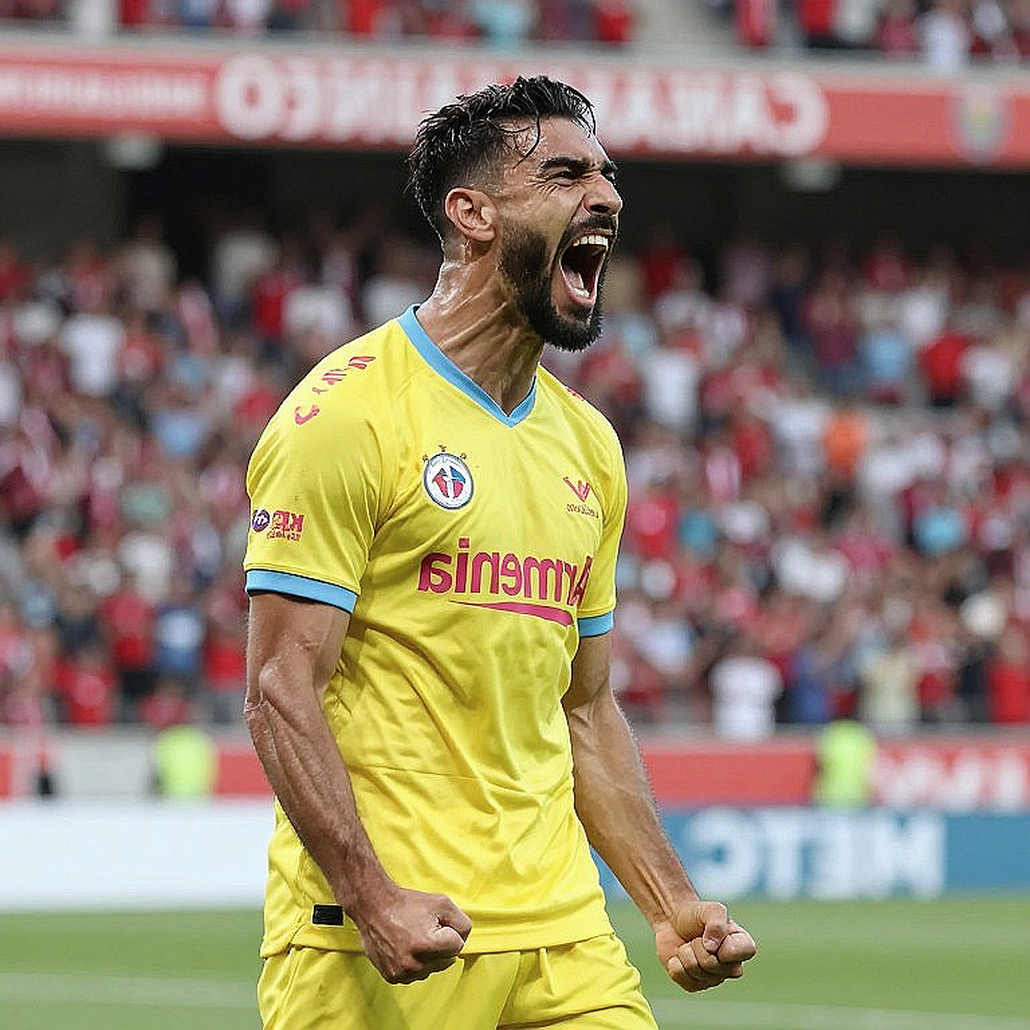
The statement must also be seen within the cycle of public pressure. Turkish football has a tradition of fierce refereeing controversy, where major clubs speak out regularly and a single wrong decision can dominate discussion for weeks. In such an environment, the MHK publishing analysis proactively is a way to reclaim control of the narrative — to shape opinion before opinion shapes them.
But I want to argue against the most lenient reading. Publishing an analysis does not necessarily mean substantive reform. It may be reputational management — a move showing the MHK is doing something, while structural problems remain intact: referee training, VAR consistency, and constant pressure from clubs. The arrival of a foreign expert also raises questions of role: someone both empowered to evaluate and responsible for shaping standards may create a subtle conflict of interest. Trust in referees is not built by a single communiqué.
Then I think of those who stand in the middle. Refereeing is the loneliest job on the pitch. They have no teammates to share mistakes with, no bench to sit on. A single wrong decision by a referee can erase ninety minutes of effort by twenty-two people — and the referee is the one who knows it best. There are trophies that cannot be lifted, yet they still weigh heavy in the heart — the title of those who stay behind, who walk out of the tunnel with no stand calling their name.
For fans, the reaction will depend on whether the analysis confirms or overturns the original decisions on the pitch and on the VAR screen. If the public perceives the conclusions as biased or half-hearted, pressure on the MHK will rise, not fall. I stand among the crowd and understand that tears are also a language of love — but for referees, no tear is allowed to fall before the cameras.
What deserves watching next is not the first communiqué but the ones after it. An analysis has value only if it becomes routine — if next time, and the time after, the MHK remains open, consistent, and willing to admit when it is wrong. On empty-stadium days, I hear the team's breathing clearly — and it still beats. For Turkish football, the question is not whether that breath can be heard, but whether it will be steady across every matchday, or merely sound once in a communiqué and fade.