
A 45th-Minute Penalty and a 68th-Minute Red Card: The Cong Viettel Lose 0-1 to Persib Bandung in the AFC Champions League Two
**Core answer**: Thể Công Viettel thua Persib Bandung 0-1 tại Cúp C2 châu Á sau quả phạt đền phút 45 của Peralta và thẻ đỏ phút 68 của Paulinho. Viettel chơi thiếu người gần một phần ba trận và không thể gỡ hòa. Paulinho dự kiến bị treo giò trận kế tiếp theo luật AFC/IFAB. **Key facts**: - Phút 45: Persib Bandung được hưởng phạt đền, Peralta ghi bàn mở tỷ số. - Phút 68: Paulinho (Thể Công Viettel) nhận thẻ đỏ, Viettel chơi thiếu người. - Chung cuộc: Persib Bandung 1-0 Thể Công Viettel tại AFC Champions League Two. - Viettel kiên cường hiệp một, không cho đối thủ nhiều cơ hội. - Paulinho dự kiến bị treo giò ít nhất một trận theo quy định AFC/IFAB. **Source attribution**: TV360 (bản tin trận đấu) | Cross-checked: VuaBong.vn **Related Q&A**: Q: Ai ghi bàn trong trận Persib Bandung vs Thể Công Viettel? A: Peralta ghi bàn từ quả phạt đền ở phút 45. Q: Vì sao Paulinho bị treo giò trận kế tiếp? A: Anh nhận thẻ đỏ ở phút 68 nên bị treo giò ít nhất một trận theo luật AFC/IFAB. Q: Thể Công Viettel thua ở đấu trường nào? A: AFC Champions League Two, còn gọi là Cúp C2 châu Á.
A penalty in the 45th minute. A red card in the 68th minute. Two moments, and The Cong Viettel left Indonesia empty-handed with a 0-1 defeat to Persib Bandung in the AFC Champions League Two. When I sat down to rewatch the match footage, what stayed with me was not the scoreline, but the way a match was decided by set-piece situations — the harshest nature of Asian football whenever you have to travel away.
I still keep the habit of separating two things: the ruling and the truth on the pitch. A ruling can be right or wrong. The truth is for the data to speak. And in this match, the data tells a clearer story than any argument.
Context: a trip not for the faint-hearted
Persib Bandung is not a name to joke about. This is one of the most heavily supported clubs in Liga 1, boasting a squad assembled from many Indonesian national team players, and playing at home in front of a nearly full stadium. For any club coming from the V.League, that is one of the toughest tests in Southeast Asia: long travel, a hostile atmosphere, and an opponent familiar with continental football's rhythm.
On the The Cong Viettel side, a club owned by Viettel Group and led by Coach Popov, they played in the first half exactly the way V.League sides usually play away in continental competition: a compact defensive block, ceding the initiative, and patiently waiting for their chance. The description "resilient in the first half, not allowing the opponent many chances" sounds modest, but it says one thing: Viettel controlled the tempo for the opening 45 minutes.
It was a sensible plan. The problem is that the plan collapsed just seconds before the referee blew for half-time.
Two moments that decided fate
In the 45th minute, Persib were awarded a penalty. Peralta stepped up and scored the opening goal. This is the most painful kind of goal to concede in football: it comes right before the break, when you have just completed a full half of defending and are preparing to walk into the dressing room as a team that has not conceded. Instead, you walk in with a goal against you.
In terms of game management, it is a double blow. First, it forces Coach Popov to redraw the entire plan during the 15-minute interval — instead of continuing to defend and counter, the team must now think about equalizing. Second, it hands psychological initiative to the home side, now playing with the comfort of a team leading at home.
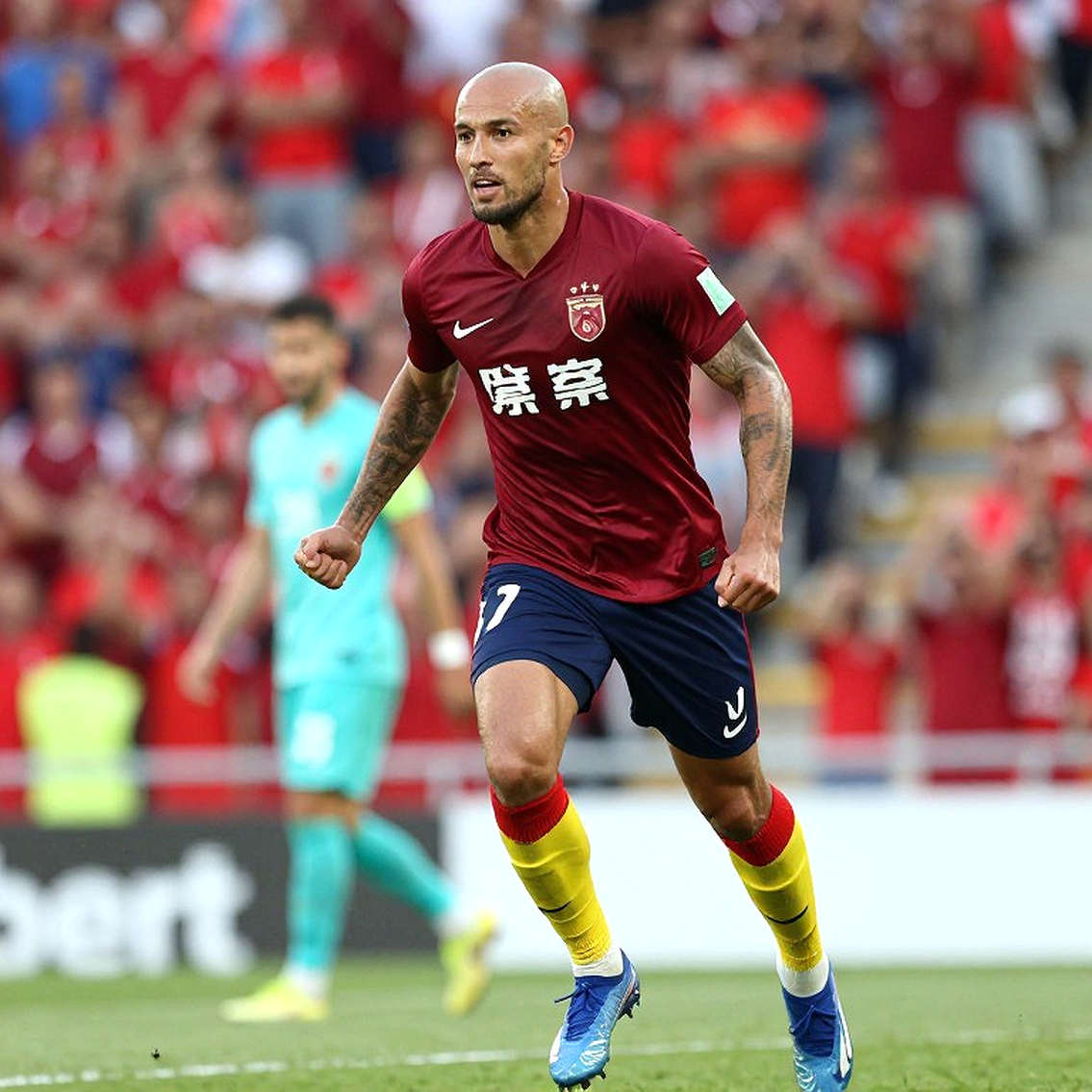
Then came the 68th minute, when Paulinho received a red card. This is the second moment, and perhaps the decisive one. From that point, Viettel had to play nearly a third of the match a man down, while also chasing the scoreline. That is the least favorable combination in football: both short-handed and forced to attack.
The failure to equalize (a 0-1 final score) is therefore entirely explicable in tactical terms. It is not evidence of a total collapse, but the logical consequence of two events. This is where I want to emphasize: a defeat decided by two set-piece situations has very low diagnostic value when you want to judge a team's true level.
A contrarian angle: the whistle and the advertisement
There is a detail many readers skim past, but for me it is worth pausing on. This match was broadcast on TV360 — a platform owned by Viettel Group itself, that is, the same owner as The Cong Viettel. Within the report, a call-to-action was inserted urging viewers to download the app and receive free Viettel 4G/5G data.
I am not saying that is wrong. But I am saying it is worth noticing. When a club, a telecom operator, and a broadcasting platform all sit within one ecosystem, the report about that club's match carries a certain commercial weight. This is a product of media value and commercial value, not entirely a product of neutral editorial work. Discerning readers should know what they are reading.
That is also why I always remind myself: when the cathedral falls silent, only the rules speak. But outside the cathedral, there are always other voices competing to be heard.
On the professional side, one more point must be made plainly: the original report provided no tactical data whatsoever — no xG, no PPDA, no possession figures, no starting lineups. That makes assessing Viettel's "level" impossible from a single match alone. We only know two things for certain: there was a penalty in the 45th minute and a red card in the 68th minute.
The immediate consequence: Paulinho's suspension
Under the standard disciplinary regulations of the AFC and the IFAB Laws of the Game, a straight red card means the player is suspended for at least the next match. This is a near-certain consequence, regardless of what the offense was. For Viettel, losing Paulinho for the next fixture is a genuine personnel problem, especially if he is a pillar in Coach Popov's system.
If the red card is classified as violent conduct, the ban could be heavier — multiple matches, along with a financial fine. The original report does not specify the card type, so any deeper speculation is guesswork. If it was merely an ordinary foul or a second yellow, the punishment would be lighter. The difference in consequences between these scenarios is enormous, and it depends on a detail we do not yet have.

Notably, the level of public pressure on Coach Popov after this match is likely to remain low to medium. A continental away defeat, while short-handed, is not enough to create a crisis. Things would only shift if the continental campaign or the V.League form continues to deteriorate.
Where does Viettel stand against Liga 1?
This match is a direct data point on the gap between the V.League and Liga 1. A narrow away defeat to a top Indonesian side — while short-handed for nearly half the match — is consistent with the view that the two leagues are roughly comparable, with Liga 1's spending power rising.
Persib's squad, assembled from many Indonesian national team players, reflects a model of concentrating domestic talent at the top clubs — a model Viettel also leans on, through the V.League's development pipeline. Both clubs are playing in the second tier of Asian club football, meaning the continent's upper-mid group, not yet the elite.
A referee's mistake does not disappear with the whistle; it lives on through every season. But here, no refereeing controversy was recorded. The penalty and the red card were simply two events that made the result. One more point on source credibility: the season label given in the report appears inconsistent with the actual AFC Champions League Two calendar — a small detail, but enough to remind readers to verify the match data.
An open thought
This 0-1 defeat should not be read as an indictment of Viettel. It should be read as a reminder that in continental competition, the gap between a perfect half of defending and a defeat is sometimes just a few seconds at the end of the first half, plus one careless minute.
People hate VAR because it is slow; I value it because it is not rushed. And in a match where everything was decided by two moments, that slowness is the only thing that helps us see the truth rather than just the result. The open question remains: will Coach Popov have enough time and personnel to turn the lessons from this Indonesia trip into a foundation for the return leg?